
Types and selection of dust collectors
Pneumatic conveying systemAfter the material separator, specialized dust removal equipment is often installed to remove dust from the airflow, reduce environmental pollution, protect the gas source machinery, and recycle some economically valuable powders.
There are many types of dust collectors. According to its principle of action; It can be divided into several types, such as gravity type, inertia type, centrifugal type, bag filter type, electrostatic type, cleaning type, sonic type, etc. From the perspective of dust removal methods, it can be divided into two categories: dry and wet. There are still certain issues with the performance, cost, and noise of sonic dust collectors, making them difficult to implement in practice.
The comparison of dust removal efficiency and pressure loss of various dust collectors is shown in Table 1.
Table 1 Performance Comparison of Various Dust Collectors
| type | Possible captured dust particle size/um | Dust removal efficiency (%) | Pressure loss/Pa | equipment cost |
| gravity type | >100 | 20-40 | 200-500 | small |
| inertial-type | >50-60 | 30-40 | 500-700 | small |
| centrifugal | >5 | 60-80 | 1000-2000 | small |
| Washing style | >1 | 60-85 | 500-5000 | middle |
| Filter bag type | >0.1 | >99 | 1200-2500 | big |
| Electrostatic type | >0.1 | >99 | 200-500 | big |
The selection of dust removal equipment should generally consider the following factors:
1) The physical and chemical properties of the gas to be purified, including chemical composition, temperature, moisture content, processing capacity, dust concentration, corrosiveness, etc.
2) The physical and chemical properties of dust carried in gases (chemical composition, density, particle size distribution, specific resistance, corrosiveness, hydrophilicity, adhesion, friction angle, explosiveness, etc.).
)Requirements for allowable dust concentration and dust treatment of purified gas.
4) The specific situation of the installation site, as well as the water supply, drainage, and power supply, and the level of installation and management.
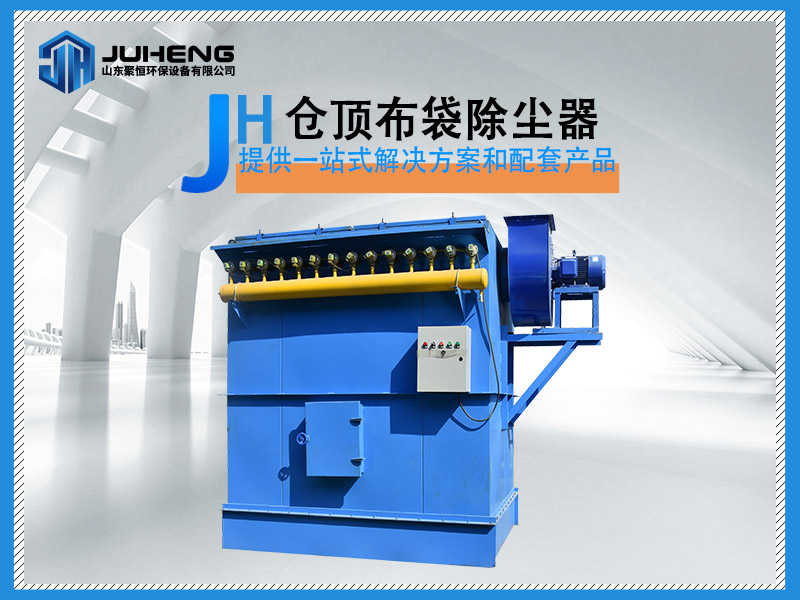
The above factors are all issues that should be considered when choosing dust removal equipment, but there should be emphasis on different equipment. For example, for wet dust collectors, it is important to understand the characteristics of dust adhesion, hydrophilicity, corrosiveness, and whether it can undergo chemical changes and scale formation when exposed to water; For dry gravity, inertia, centrifugal and other dust collectors, emphasis should be placed on understanding the density, particle size, friction angle, adhesion, gas moisture content, etc. of the dust; For bag filters, important considerations should be given to gas temperature and humidity, dust adhesion, chemical corrosiveness, etc.