Wheat pneumatic conveying
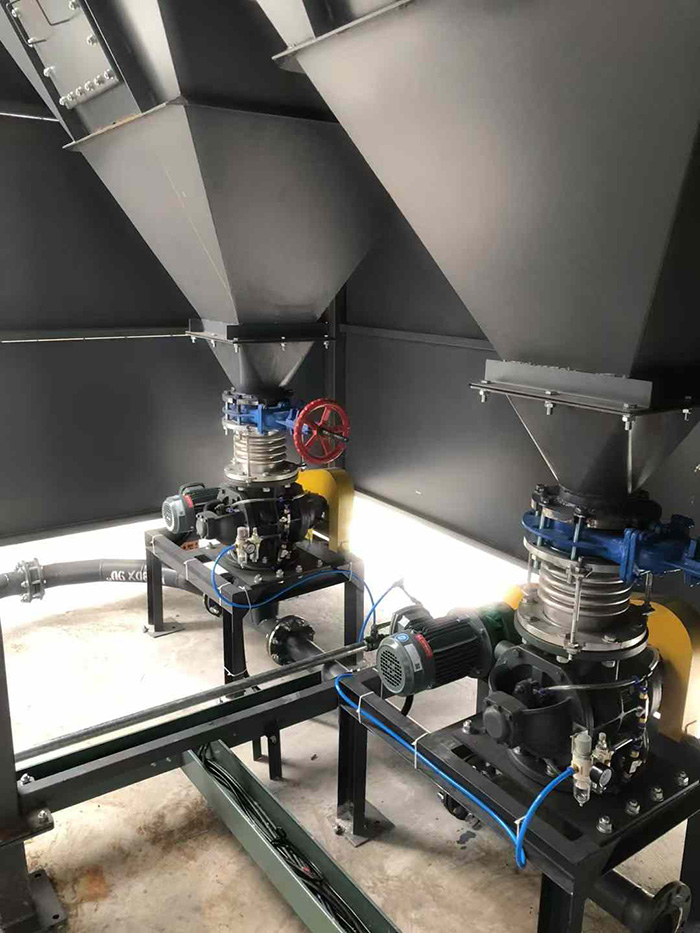
Wheat pneumatic conveying is the process of using the generated airflow energy to suspend or move wheat particles in a closed pipeline, achieving the transportation of materials from one place to another. Its core working process can be summarized as the formation of airflow power → gas mixing → pipeline transportation → gas separation → exhaust gas purification, which can be divided into two main forms. The principle is as follows: 1. Negative pressure pneumatic conveying (suction type) power formation: the vacuum pump (negative pressure fan) works to make the pressure inside the conveying pipeline lower than the external atmospheric pressure, forming a negative pressure zone. Inhalation of air: Under the pressure difference, external air is sucked into the pipeline with wheat through the suction nozzle (feed inlet). Transportation process: Wheat particles are suspended and transported in the pipeline with the airflow, and then sent to the unloading point. Separation and exhaust: After reaching the endpoint, the gas mixture enters the cyclone separator, and the wheat is separated from the air by centrifugal force and gravity and falls into the silo; After being purified by a dust collector, the dusty exhaust gas is discharged by a fan. 2、 Positive pressure pneumatic conveying (pressure conveying type) power generation: Roots blower (positive pressure blower) works to introduce high-pressure air into the conveying pipeline, forming a positive pressure zone. Gas mixing: Wheat enters the high-pressure pipeline through a feeder (such as a rotary feeder) and is thoroughly mixed with high-speed airflow. Transportation process: The thrust generated by high-pressure airflow pushes wheat particles along the pipeline to the unloading point. Unloading and exhaust: After the wheat enters the silo, the airflow is discharged through the ventilation holes or dust collector at the top of the silo, completing the transportation. 3、 The common core principle, whether it is suction or compression, essentially utilizes the relative motion between air flow and wheat particles to generate friction and thrust, overcoming the gravity and frictional resistance of wheat in the pipeline, allowing wheat to move together with the air flow, and ultimately separating the material from the air through a gas-solid separation device, achieving non-destructive and sealed transportation of wheat. Case 1: Application of wheat negative pressure suction in grain purchasing station. A county-level grain purchasing station needs to receive scattered wheat sold by farmers on a daily basis. The feeding points are scattered in three unloading stations, and the dust problem is prominent during the peak period of purchase. At the same time, all wheat needs to be transported to the central reserve warehouse uniformly. This project adopts a negative pressure suction pneumatic conveying system, with feeding suction ports set up at three unloading stations, which are connected to the gas material separation and dust removal system through closed pipelines. When farmers unload grain, wheat is sucked into the pipeline through the suction port and transported to the separation equipment outside the central storage bin with negative pressure airflow. The wheat is stored in the bin, and the dust containing gas is purified and discharged in compliance with standards. After application, the purchasing station completely solved the problem of dust pollution in the unloading process, without the need for additional personnel to clean up scattered wheat on site. At the same time, it achieved simultaneous feeding and unified transportation of three unloading stations, greatly improving the operational efficiency of wheat purchasing and reducing material loss. Case 2: Application of positive pressure feeding of wheat in a flour processing plant. In a medium-sized flour processing plant, the raw material warehouse is located on the west side of the factory area, and the production workshop is located on the east side. The wheat in the raw material warehouse needs to be transported to six production stations in the workshop, including the milling machine, flour cleaning machine, and wheat blending bin. The feeding requirements of each station are different and need to be flexibly switched. The project adopts a positive pressure pneumatic conveying system, with the raw material warehouse as the single feeding point, and uses a gas locking feeding device to feed small materials
- Application case of wheat negative pressure suction in grain purchasing stations
- Application case of positive pressure delivery of wheat in flour processing plant
- Application case of suction pressure hybrid wheat conveying in large-scale grain storage warehouses
READ MORE