Flour pneumatic conveying
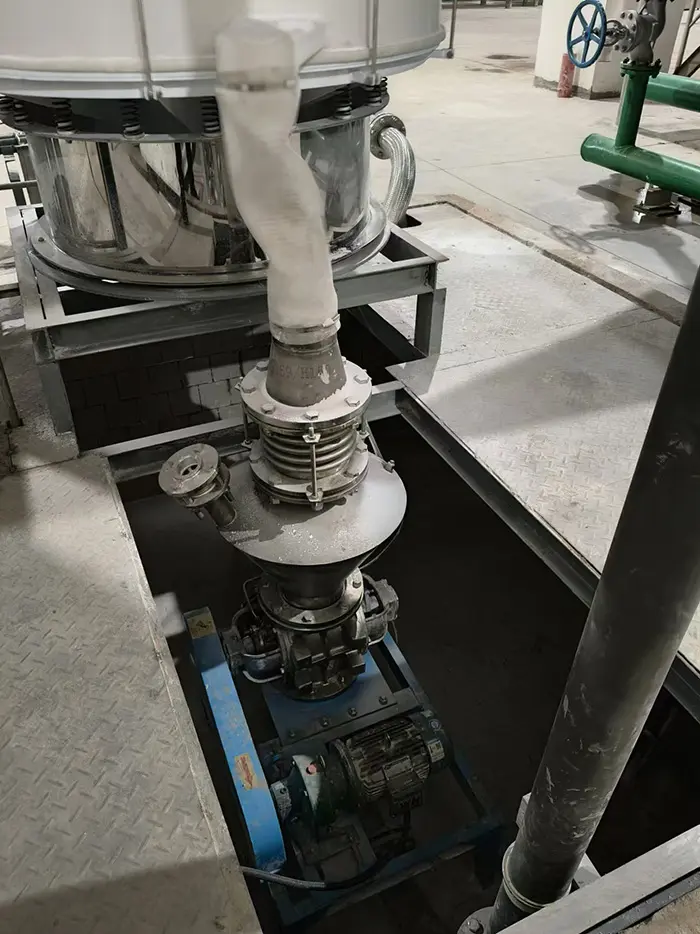
The core of flour pneumatic conveying is to form a gas-solid two-phase flow of flour in a closed pipeline, powered by air, to complete the conveying process. The entire process is sealed without dust leakage and meets the requirements of food grade production. The system is mainly composed of gas source, feeding, conveying pipeline, gas-solid separation/dust removal, control and other units. According to the pressure state of the pipeline, it is divided into two mainstream methods: negative pressure and positive pressure. The flour industry also optimizes the effect by combining the conveying form of dilute phase/dense phase. 1、 Negative pressure transmission power formation: The vacuum pump draws air at the end of the pipeline, creating a negative pressure environment inside the pipeline that is lower than the outside. Material inhalation: The external atmosphere pushes the air to carry the flour and enter the pipeline through the suction port, forming a gas-solid two-phase flow. Gas solid separation: After the mixture reaches the destination, it passes through a separator/filter, and the flour falls into the silo by gravity. The air is purified by dust removal and then discharged. Flour adaptability: No dust leakage, suitable for conveying from multiple feeding points to one silo, such as feeding and batching processes. 2、 Positive pressure transmission power generation: The fan/compressor injects air at the beginning of the pipeline, creating a higher positive pressure inside the pipeline than the outside. Material push: The feeding device evenly sends the flour into the pipeline, mixes it with the airflow, and transports it along the pipeline under the pressure difference. Gas solid separation: After reaching the endpoint, the flour is collected by the separation/dust removal device at the top of the silo, and the remaining gas is purified before being discharged. Flour adaptability: With a longer conveying distance, it is possible to unload from one material point to multiple silos, such as conveying finished flour to different storage tanks. 3、 Dilute phase/dense phase, choose dilute phase transportation as needed: the airflow velocity is high, and the flour particles are suspended in the airflow for transportation, suitable for short distance, medium and small flow rates. It is widely used in daily transportation in flour mills. Dense phase transportation: The airflow velocity is low, and the flour moves forward in the form of group flow/plunger flow, suitable for long distances and large flow rates, which can reduce pipeline wear and flour damage. 4、 Ensure cleanliness and safe air source purification: Use oil-free dry air to prevent flour from being contaminated by oil and meet food grade standards. Dust removal and recovery: The separation/dust removal device can recover fine powder carried in the airflow, avoiding waste and preventing excessive emissions. Explosion proof protection: Flour is a combustible dust, and the system needs to take protective measures such as anti-static grounding and explosion-proof valves to eliminate safety hazards. Case 1 Flour Factory Storage to Ingredient Section Scenario: A medium-sized food enterprise in South China that focuses on pasta production strictly follows food grade cleanliness standards in its factory planning. In the production process, the ingredient areas of the raw material warehouse and production workshop belong to different functional areas. The core requirement is to stably transport raw materials such as wheat flour packaged in ton bags from the ton bag unpacking station in the storage area to multiple parallel fully automatic ingredient scales in the production workshop, providing raw materials for subsequent kneading and rolling processes. Pain point: Previously, companies used manual handling and feeding methods, where workers had to pour the unpacked flour into the ingredient scale hopper. During the process, dust was easily leaked from the feeding port, which not only led to substandard cleanliness in the workshop and difficulty in passing the annual food production permit review, but also posed a risk of cross contamination of raw materials - different batches and varieties of flour dust mixed together, directly affecting the gluten and taste of pasta. At the same time, the efficiency of manual feeding is greatly affected by personnel status, and additional manpower is required during peak hours, which is labor-intensive
- Flour mill storage to ingredient section
- Multi material shared transportation in noodle factories
- Unpacking small bags in small and medium-sized workshops to the equipment end
- Raw material reception in baking enterprises
READ MORE