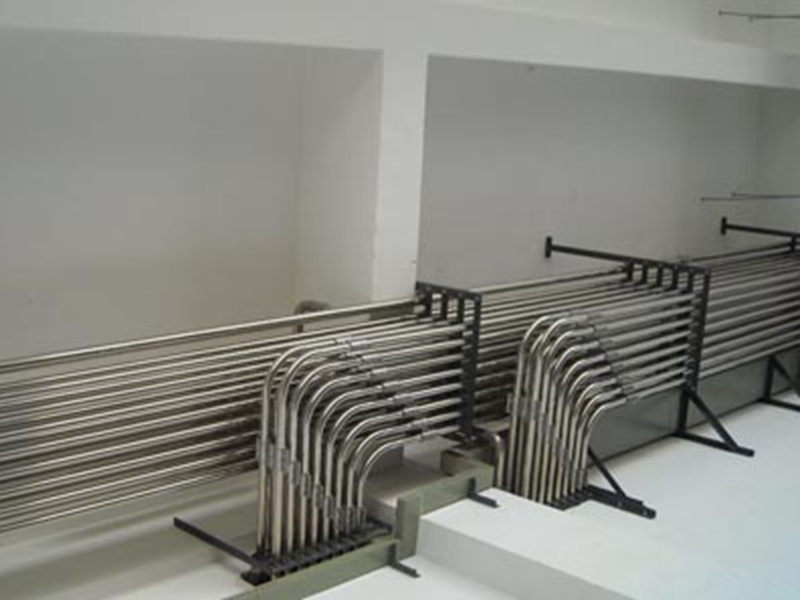
Reasons for blockage of pneumatic conveying pipelines
Pneumatic conveying systemIn certain specific situations, there may also be a phenomenon of poor material movement, which can lead to blockage. With changes in material properties, pipeline conditions, mechanical operation of gas sources, and even weather conditions, material blockages may occur, especially when working in a sealed environment. These changes are often difficult to detect and prevent blockages in advance, resulting in sudden blockages that catch people off guard and have a significant impact on production.
Reason for blockage: For a pneumatic conveying system with reasonable design parameters, precise manufacturing and installation, and error free operation, blockage of the conveying pipe may also occur in certain specific accidental situations. The reasons for the blockage should be sought from the following aspects.
1) The performance of the material has changed significantly, deviating too much from the originally designed predetermined values. Especially the humidity of materials is often affected by packaging, transportation, and even weather. For certain viscous materials, an increase in humidity promotes the agglomeration of powdered materials and an increase in internal friction; Or gradually adhere to the inner wall of the conveying pipe, correspondingly increasing the external friction force, further leading to a significant increase in pressure loss and blockage. These materials occasionally mix with miscellaneous items such as grass poles, sawdust, rope ends, or iron wires, which may be trapped by local parts of the conveying pipe (such as flanges or welding joints), accumulate more and more, cross each other, and ultimately lead to blockage.
2) Changes in pipeline condition. The newly installed pneumatic conveying equipment is in good condition, with accurate curvature radius of the bend and smooth conveying. When the conveying time is long, the feeding pipe may be locally worn, and the curvature radius of the bent pipe may deviate from the original size, especially when conveying materials with adhesive tendencies. The inner wall of the pipe will gradually adhere and become rough and uneven, significantly increasing the resistance to the airflow and eventually leading to blockage.
3) Changes in the operation status of gas source machinery. For compression type pneumatic conveying, compression machinery such as air compressors and Roots blowers may not meet the nameplate values due to wear, improper maintenance, and excessively humid air, resulting in insufficient air supply and pressure in the pneumatic conveying system; Sometimes, due to air duct leaks and large amounts of compressed air leaks, it is often the direct cause of blockage. For suction pneumatic conveying, the wear of fan blades will directly affect the exhaust volume. If the air duct system is damaged, a large amount of "wild wind" will be drawn in, which can also cause the conveying airflow velocity to be too low and easily lead to blockage.
4) The equipment selection is unreasonable. If using a suction type pneumatic conveying device to transport materials with high humidity, or if the conveying distance is too long; When laying outdoors in winter, pressure pneumatic conveying devices are used to transport materials with high temperature and humidity. At this time, moisture often condenses on the inner wall of the low-temperature conveying pipe, causing material adhesion and blockage.
5) Transported materials that are not suitable for pneumatic conveying devices. Such as self hardening sand, water glass sand, heavy oil containing cast steel sand, and certain materials containing self drying grease in the foundry workshop. These materials will gradually adhere to the inner wall of the conveying pipe and harden into layers during the conveying process, which will cause the inner wall of the conveying pipe to become rough and the conveying pipe to become thinner, increasing resistance and inevitably leading to blockage after the conveying quantity.
6) The transmission power is sufficient. The reasons for this include the power selection of the gas source machinery being too small, the volume of the gas storage tank being too small, air leakage in the air system, air leakage in the conveying pipe, insufficient number of boosters, and unequal rotation positions, all of which can lead to insufficient conveying power and difficulty in smooth conveying.
7) Unreasonable arrangement of material conveying pipes. The conveying pipe of the pressure feeding pneumatic conveying device should preferably have a horizontal pipe of more than ten meters long after leaving the sending tank or feeder, so that the gas and material flow can be fully accelerated. If this point is ignored in the design or difficult to achieve in the on-site layout, it is often blocked due to the low velocity and small kinetic energy of the airflow, which makes it unable to overcome the resistance of the first bend when turning upwards. The conveying pipe of the suction type pneumatic conveying device should be inclined upward after leaving the throat pipe, so that the material can be suspended in the airflow. Both compression pneumatic conveying and suction pneumatic conveying do not want long horizontal pipes. A combination of horizontal and vertical piping should be adopted, as materials will gradually deposit in long horizontal pipes. To avoid sedimentation, a much higher airflow velocity than a short horizontal pipe should be selected. If an elbow or vertical pipe is installed in the middle of a long horizontal pipe, it can create a stirring effect on the material that has just begun to deposit, making transportation easier.
8) Improper operation. Due to a lack of understanding of pneumatic conveying devices or failure to operate according to predetermined operating procedures and process parameters such as conveying pressure, time, loading volume, etc.