
Pneumatic Conveyor Equipment
The pipeline, sealing, and automation of powder and granular material transportation are the development directions of modern bulk material transportation technologypneumatic conveyingTechnology is undoubtedly one of the best ways to achieve logistics technology for powder and granular materials. The most significant feature of pneumatic conveyor equipment is that the power source is an airflow with a certain amount of energy, which simplifies traditional complex mechanical devices; Secondly, there is enclosed pipeline transportation with simple and flexible layout; The third is that there is no circuit. Pneumatic conveying is divided into two basic types based on whether the pressure inside the conveying pipe is higher than atmospheric pressure: pneumatic suction and pneumatic compression.
Pneumatic suction is a form of negative pressure that relies on the fan at the end of the system to suck and transport materials. Due to the use of negative pressure inside the pipeline to suck air and materials into the pipeline, and relying on atmospheric pressure to transport the materials to the destination, the fan is installed at the end of the pipeline system, so pneumatic suction is called negative pressure pneumatic conveying; Pneumatic conveying is the use of positive pressure airflow in pipelines that is higher than atmospheric pressure to carry or push materials for transportation. The fan is installed at the beginning of the pipeline system, so pneumatic conveying is also known as positive pressure pneumatic conveying. The pneumatic conveyor equipment mainly consists of feeders, conveying pipes, separators, gas source equipment, dust collectors, and other auxiliary parts.
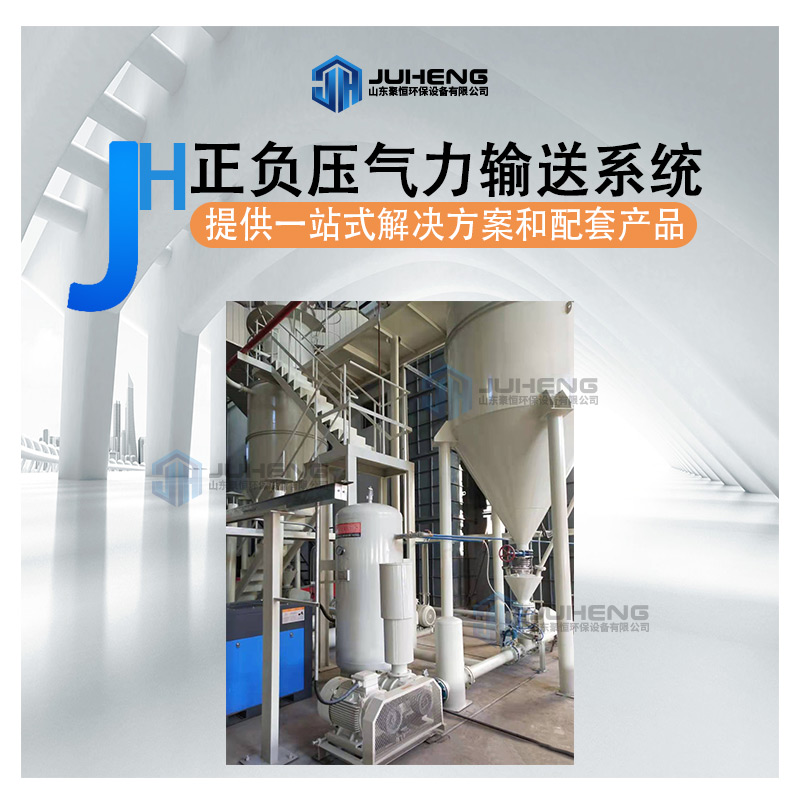
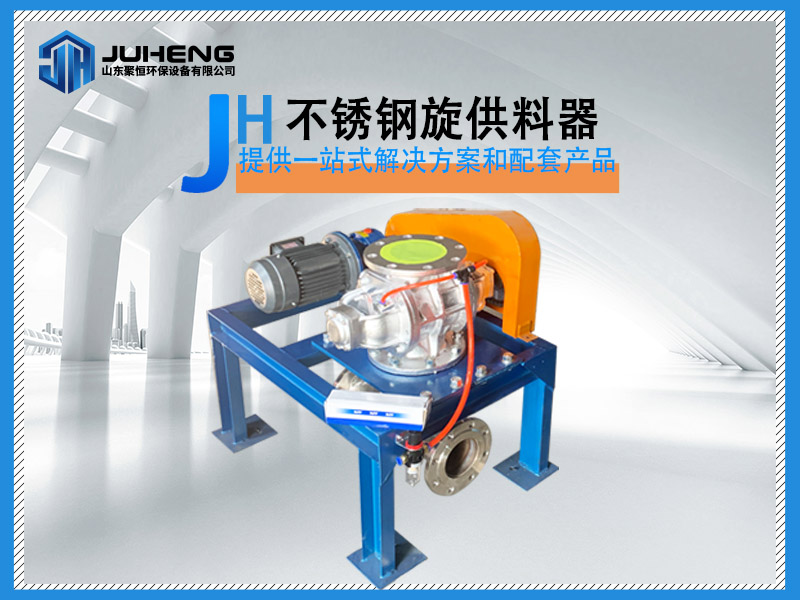
A feeder is a device that can quantitatively supply or discharge granular materials. In pneumatic conveying devices, the function of the feeder is to feed the material into the conveying pipeline, where it is fully mixed with air and then accelerated and conveyed by the airflow. The structure and performance of the feeder have a significant impact on the conveying capacity, stability, and energy consumption of the pneumatic conveying production line. Especially for positive pressure pneumatic conveying, the performance of the feeder will affect the normal operation of the entire pneumatic conveying system.
Material conveying pipe is a channel for material conveying in pneumatic conveying production lines, mainly referring to the pipeline part connected between the feeder and the unloader, generally consisting of straight pipes, elbows, branch valves, etc.
A separator, also known as an unloader, is a device that separates materials from the airflow after they are transported to the required location by a conveying pipe. The separator and dust collector in the pneumatic conveying system are essentially the same, with the only difference being that the separator has certain production capacity, low material crushing rate requirements, and sometimes larger production capacity.
Air source equipment is capable of providing the full pressure and air volume required for pneumatic conveying production lines, and can be used with Roots blowers, high-pressure centrifugal ventilators, air compressors, etc.
Dust collector, as the separation efficiency of the unloader cannot be 100%, the mixture of material and air still contains some fine particles or dust in the air discharged from the unloader after passing through the unloader; In order to meet environmental emission standards, recover valuable materials, reduce economic losses, and minimize fan wear, dust collectors need to be installed. The commonly used dust collectors in pneumatic conveying production lines include bag filters and centrifugal filters.