
How to choose between dilute phase pneumatic conveying and dense phase pneumatic conveying
pneumatic conveyingAccording to the concentration of the conveyed material and air, it can be divided into dilute phase pneumatic conveying and dense phase pneumatic conveying. The selection method can be based on the conveyed material and site. The following is an introduction to dense phase pneumatic conveying and dilute phase pneumatic conveying.
Dilute phase pneumatic conveying system
The use of low-pressure conveying is called a dilute phase pneumatic conveying system. These systems utilize the inlet air pressure and use positive or negative pressure to push or pull materials through the conveyor line at relatively high speeds and volumes. The use of a rotary feeder is a typical low-pressure pneumatic conveying system. At the beginning, a higher speed is used, and at the end of the pneumatic conveying system operation, the pressure in the conveying pipeline drops to near atmospheric pressure. The low-pressure pneumatic conveying system should use a low-pressure positive displacement blower as the main compressed air source. Usually, products will experience friction with pipelines during transportation, so excessive speed should not be used, otherwise it will cause serious damage to system pipelines and valves.
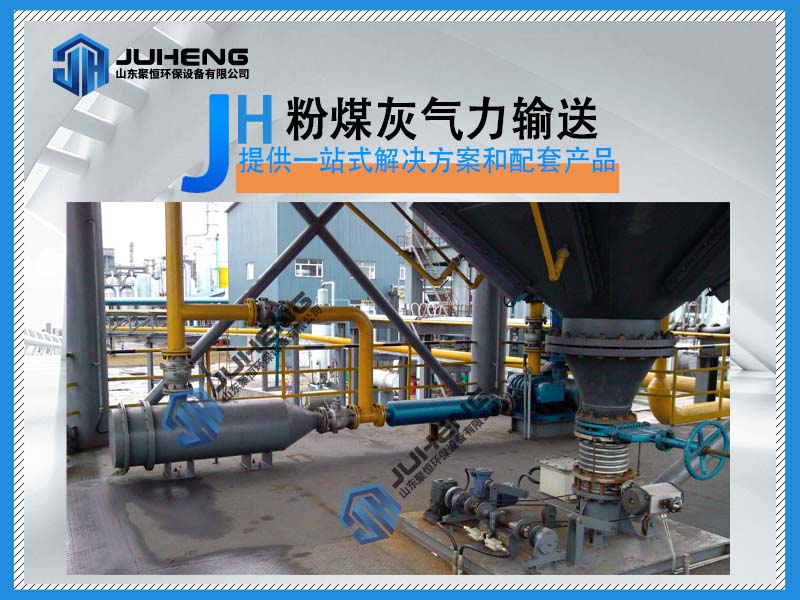
Dilute phase pneumatic conveying system
Dense phase pneumatic conveying system
High pressure conveying system, also known as dense phase pneumatic conveying system. The system utilizes the air pressure in the pipeline and uses positive pressure to push the material through the conveyor line at a relatively low speed to maximum, just like extrusion. They are described as high-pressure/low-speed systems with lower feed to gas ratios. Dense phase conveying uses a small amount of air to transport a large amount of material. Generally speaking, the products being transported will experience wear and tear. The dense phase system can eliminate or minimize the wear of the conveying pipe by maintaining a moderate design speed, while still providing appropriate production. Generally speaking, this type of system requires a suitable air compressor. For dense phase pneumatic conveying systems, if a dedicated low-pressure air supply is not used, a suitable single-stage reciprocating rotary screw or centrifugal (single-stage or two-stage) compressor can be taken from the high-pressure system. The cost of this type of air is much lower than high pressure, and it can be easily turned off when not in use.
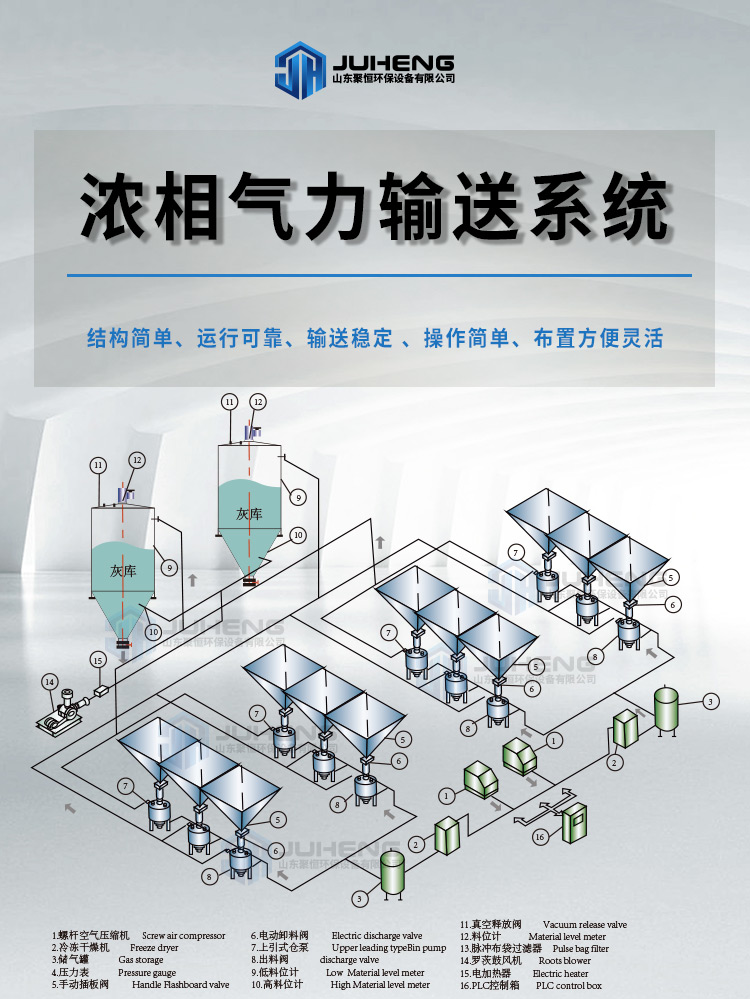
Dense phase pneumatic conveying system
When choosing between dense phase pneumatic conveying and dilute phase pneumatic conveying, you can analyze the materials you are conveying, the site, and the conveying requirements, and customize a suitable pneumatic conveying plan according to production needs. If you need it, please feel free to contact us.