
Precautions for using pipeline elbows in pneumatic conveying systems
The biggest advantage of pneumatic conveying systems compared to mechanical conveying systems is their ease of deployment or the ability to be reconfigured. When you need to change the conveying direction, you don't need to add a separate conveyor belt, just add a bend.
The advantages of bending pipes are enormous. In pneumatic conveying systems, the shortest distance between two points is a straight line, but a straight line is not always the most cost-effective distance. Columns, existing equipment, walkways, lanes, and side processes all make it impossible to install a straight pipeline. Compared to moving tons of steel, adding an elbow would be much more convenient.
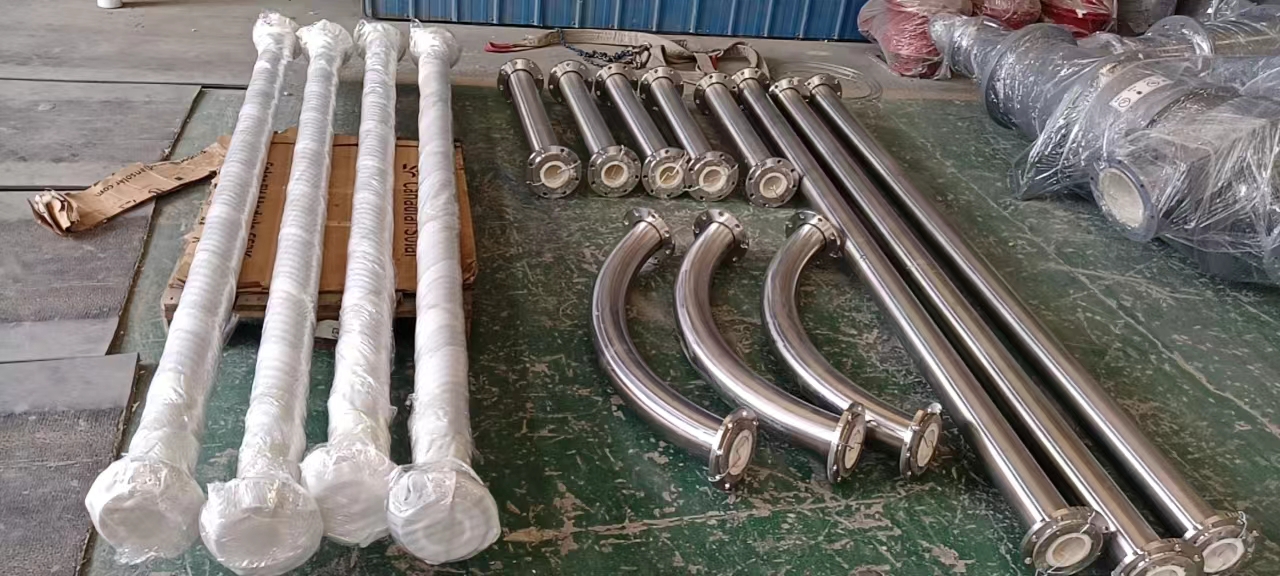
However, in order to prepare a budget, before starting to design a pneumatic conveying system, it is important to understand some precautions when placing bent pipes into the conveying system:
1. Wear and tear - It may sound redundant, but the bend is where the product changes direction. Therefore, a large amount of impact occurs inside the bent pipe, making them the main wear points of the pipeline. To prevent this situation from happening, our pneumatic conveying system has spent a lot of time designing various methods to enhance wear resistance or reduce the impact of friction.
2. Pressure drop - the body remains stationary and in motion, unless subjected to external forces. Inside the pipeline, forcefully hitting the bend may generate as much 'external force' as possible. This is why the number of bends in the pipeline is the largest source of pressure drop. Excessive number of bends can lead to an increase in required pressure, thereby increasing costs and power requirements.
These factors are not insurmountable, therefore, if you encounter any problems, please contact the design engineer of Juheng Environmental Protection Pneumatic Conveying System for assistance.