
Introduction to the structural characteristics of pneumatic conveying
Introduction to pneumatic conveying system
Pneumatic conveying refers to a conveying method in which granular materials can be continuously transported along a specified path through air in a pipeline. There are many types of pneumatic conveying systems, and the structures of different types of pneumatic conveying systems are also different. The pneumatic conveying system generally consists of four basic parts: feeding device, conveying pipeline, separation component, and air power source. The different components and combination structures of each basic component constitute different types of pneumatic conveying systems.
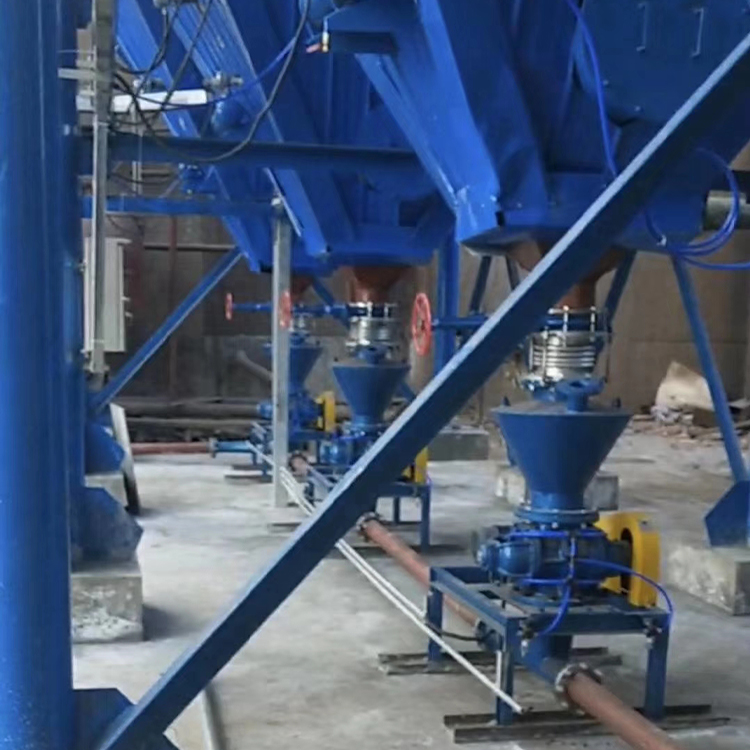
Characteristics of pneumatic conveying system
The flexible configuration of the conveying pipeline makes the factory production process more reasonable.
The conveying system is completely enclosed, with less dust flying and meeting environmental protection requirements.
Less moving parts, convenient maintenance, and easy automation.
High efficiency of bulk material transportation reduces packaging and loading/unloading transportation costs.
It can prevent the conveyed materials from getting damp, stained, and mixed with other debris, ensuring the quality of transportation.
Multiple process operations can be simultaneously implemented during the conveying process, such as mixing, powder mixing, grading, drying, cooling, dust removal, etc.
It is possible to send materials with concentrated points to one location or from one location to dispersed points, and achieve remote operation.
For materials with unstable chemical substances, inert pneumatic conveying can be used.