
What preparations need to be made before designing a pneumatic conveying system
Before designing and constructing pneumatic conveying systems, enterprises should provide reference for pneumatic conveying design manufacturers based on their own production characteristics, production environment, and material properties, and provide a good foundation for the construction of pneumatic conveying systems.
The pneumatic conveying system is used to transport powder materials, so the first step is to understand the properties of the materials, including their physical and chemical properties. Such as shape, particle size, granularity, density, bulk density, suspension velocity, moisture content, hygroscopicity, friction angle, flowability, brittleness, corrosiveness, electrostatic effect, grindability, toxicity, radioactivity, etc.
After fully understanding the performance of powder materials, enterprises can design targeted parameters based on the characteristics of the materials. For fragile materials, dense phase transportation is generally preferred over dilute phase transportation. Appropriate wind speed can reduce the degree of fragmentation; Grounding facilities should be installed for materials with high electrification to prevent electrification and static electricity generation. For materials with similar densities but different bulk densities, it is not advisable to use pneumatic conveying systems with the same size, structure, and power.
Secondly, understand the conveying capacity. The material conveying capacity is not only an important parameter basis for the design of pneumatic conveying systems. At the same time, it also relates to the connection between upstream and downstream production of enterprises. Therefore, enterprises need to make reasonable arrangements based on their production capacity and the characteristics before and after the production processThe conveying capacity of the pneumatic conveying system is adjustable and adapts to the overall production rhythm through automation and other means.
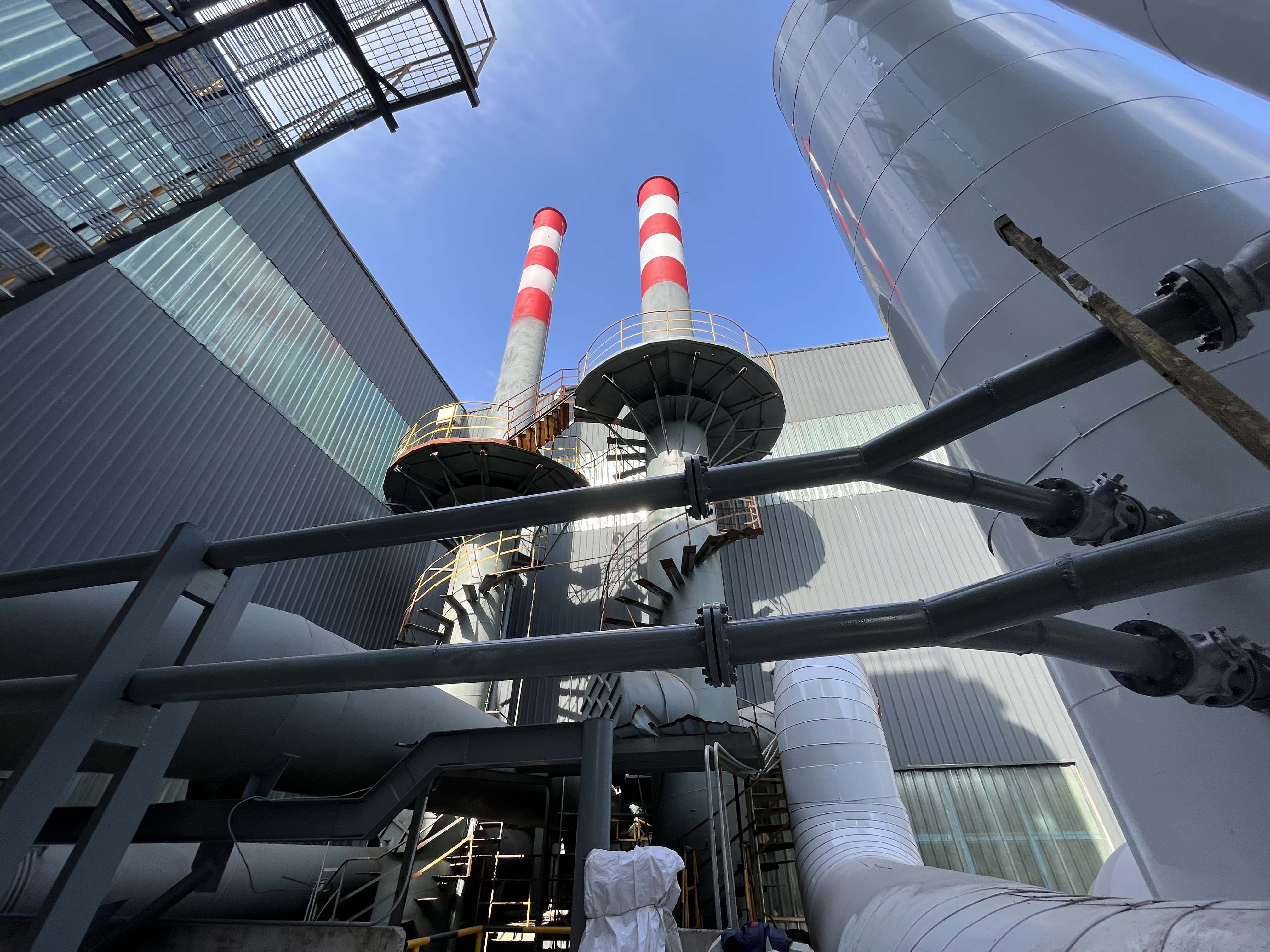
Set the starting and ending points of the pneumatic conveying system
The setting of the starting and ending points of the pneumatic conveying system involves the arrangement of feeding and unloading, and sufficient space should be provided. On the other hand, the setting of loading and unloading should adapt to changes in production and material transportation. At the same time, considering the layout characteristics, supporting facilities such as noise prevention and control, special materials, and accident handling should be taken into account.
Pneumatic conveying distance and pipeline configuration
When determining the transmission method and required power, the transmission distance and transmission line are important references. Adapt to local conditions, choose transportation distances and routes reasonably, reserve maintenance channels, and reduce bends. On the one hand, it can improve transportation efficiency, and on the other hand, it can save construction costs and equipment energy consumption.
Pneumatic conveying control system
Advanced pneumatic conveying systems should be automated and remotely controlled through a central control room to reduce staff, and interlocking operations should be carried out between major equipment to ensure safety.
Power and water supply
The frequency, voltage, power supply position, and wiring method of the power supply should be clearly defined; Where water is involved, the drainage points and subsequent sewage treatment methods should be clearly defined.
The above are several basic items that need to be prepared before designing a pneumatic conveying system. Once these are clear, the pneumatic conveying system solution provider can provide a pneumatic conveying system design solution according to your needs.