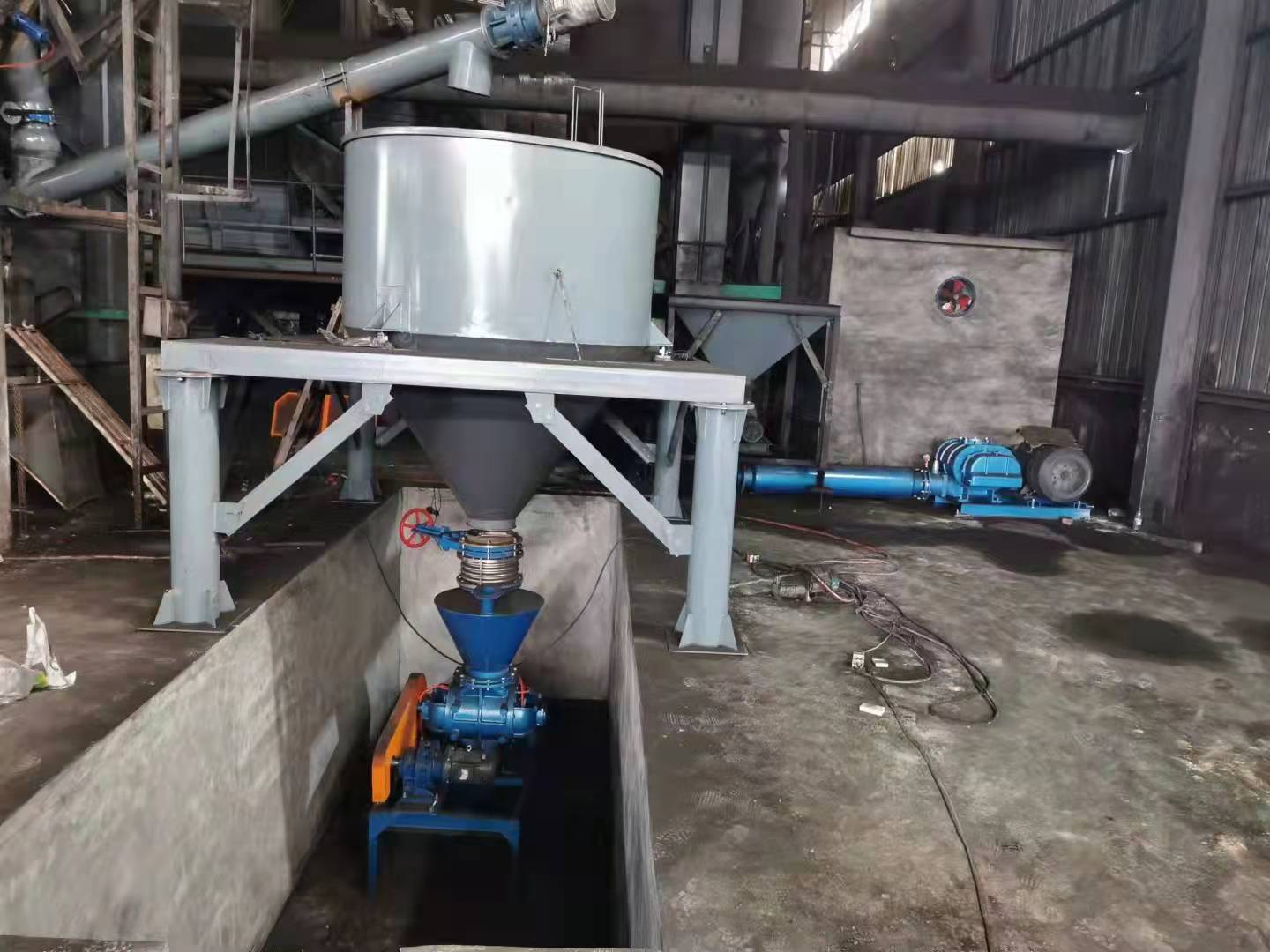
What properties of powder materials should be considered when designing pneumatic conveying systems
When designing a vacuum pneumatic conveying system, in addition to the volumetric density of the powder, understanding the physical properties of the conveyed powder material is also very important. Generally, customers know the flowability, viscosity, electrostatic properties, and so on of the conveyed material. Different particle sizes of materials result in different physical properties, and even some powders exhibit significant differences in their properties under different humidity environments.
In addition, if the material is combustible dust, the preferred method is negative pressure pneumatic conveying. When a vacuum conveying system leaks, the leak will leak inward and will not cause combustible dust clouds to appear in the factory environment. The leakage of positive pressure pneumatic conveying system will soon lead to the appearance of combustible dust clouds in the factory, which is the main factor of combustible dust explosion. The requirements for filtration at the end of the negative pressure pneumatic conveying system are relatively high, and a material gas separation system needs to be installed.
When conveying powder that is prone to breakage, using dense phase pneumatic conveying is a better way. Dense phase pneumatic conveying can make the powder flow densely and slowly in the pipeline in a plug like manner, resulting in fewer collisions and maintaining the integrity of the powder.
Generally speaking, when the flowability of the conveyed powder is poor or the viscosity is high, it is easy to produce phenomena such as bridging and wall sticking, and the requirements for pneumatic conveying equipment will be more complex. More equipment is needed to handle this type of powder, such as increasing the inclination of the bin pump and the sending tank cone, and installing fluidized cones, air hammers, vibrators, activation hoppers and other devices on the bin pump.