
What are the advantages and disadvantages of pneumatic conveying?
pneumatic conveyingWhat are the advantages and disadvantages of the system? Every conveying method has its own advantages and disadvantages, but when it comes to conveying powder particlesPneumatic conveying systemThe advantages are more than ordinary conveying methods. It has the advantages of long conveying distance, strong adaptability, flexible structure, high safety, easy maintenance, and small footprint. Here are the advantages of pneumatic conveying systems:
One of the advantages is the customizable conveying route, which can be tailored to local conditions and designed in the most suitable way for conveying. Pneumatic conveying systems can operate horizontally or vertically, cover long distances, and are easy to design, bypassing existing equipment, obstacles, or anything that cannot present a straight path. This provides considerable flexibility, which is the second advantage.
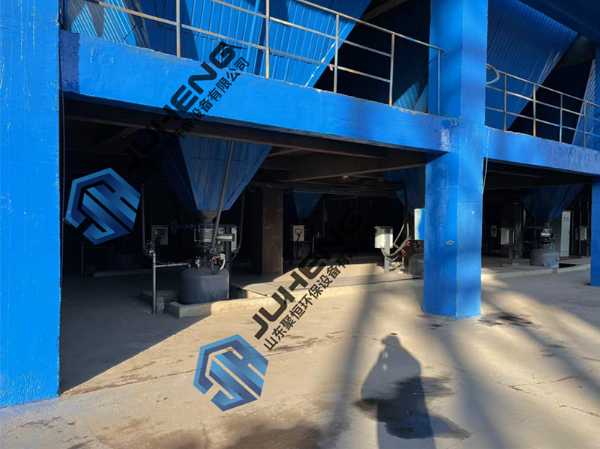
Strong adaptability - Pneumatic conveying systems can easily adapt to existing equipment, so you don't have to start from scratch. They also don't take up a lot of floor space, so they are easier to locate. In addition, pneumatic conveying can also set up multiple loading and unloading points, creating a very flexible and efficient system according to specific needs.
Structural flexibility - Due to the relatively light weight of pneumatic conveying pipelines, they do not require too much structural support. This saves factory space and funds, and eliminates some potential construction challenges.
Safety - Sealing is another advantage of these systems.
Easy to maintain - Unlike other options, pneumatic conveying systems only have a few main components (air compressor or pump, feeding device, oil pipe, and separator), each of which can be repaired independently of other parts of the system. This means faster maintenance speed and limited downtime.
What are the disadvantages of pneumatic conveying? Here are some of the main drawbacks of pneumatic conveying:
Small product volume - Pneumatic conveying systems are typically used for materials with smaller volumes, and most pipelines have smaller diameters. But that doesn't mean their delivery speed is not fast. Large volume materials pose greater challenges.
Scalability - The size of the blower is limited, and large systems require greater horsepower. If a blower with higher power is required, it may not be suitable for your system. Every application is unique. At this point, you need to ask yourself if there is a more economical way to deliver the product.
Line blockage/product damage - Pneumatic conveying systems are not optimal for wet and/or fragile products. Wet products (pressing corn germ is a good example) can occasionally clog the production line and affect productivity. Fragile products may also become sacrifices to the speed and creative path allowed by these systems. Higher speeds and sharp turns can damage more sensitive materials and affect the final product.
Environment - Dust removal systems typically transport air into the atmosphere through dust collectors. This may require a permit as an emission point.
Noise - The blower will generate considerable noise. The use of soundproof enclosures with large blowers is a common method of handling.
When choosing a pneumatic conveying system, it is essential to choose a professional pneumatic conveying manufacturer, as this will greatly improve our conveying efficiency.Shandong Juheng Environmental Protection Equipment Co., LtdI have been deeply involved in pneumatic conveying systems for 13 years and have rich experience in industries such as petrochemicals, metallurgy, electricity, food processing, pharmaceuticals, power plant ash transportation, and lithium battery raw material transportation. You are welcome to inquire with our experts!