
Common design errors in pneumatic conveying
in designpneumatic conveyingSome inexperienced manufacturers may encounter problems with these seven issues. Today, experts from Shandong Juheng Environmental Protection Equipment Co., Ltd. will list the following common mistakes and how to avoid them.
Firstly, there is an error in the pressure calculation of the pneumatic conveying system
The most difficult part in pneumatic conveying is how to correctly calculate the pressure drop of the pipeline length of the entire pneumatic conveying system, because there are many variables in a pneumatic conveying system, including pipe diameter, pipeline layout, product density, powder particle size, etc. However, pressure is very important in the entire pneumatic conveying system. A small mistake may cause problems with the entire pneumatic conveying system.
Secondly, low picking speed in pneumatic conveying systems
Remember, there is a pressure gradient on the conveying system. When the air velocity at one end differs greatly from that at the other end, without considering the pressure drop through the system, the picking speed will not be sufficient to fluidized the product, otherwise the picking will be blocked.
Thirdly, underestimate the flow rate of the pneumatic conveying system
A common mistake in pneumatic conveying system feeding systems is designing their average flow rates. Because most of the time our productivity may be different, let's assume you want the system to run during peak traffic. When the pneumatic conveying system is implemented at the top, the originally designed average flow rate may not achieve the expected effect and may even block the pipeline. Therefore, when designing the average flow rate, it is necessary to determine the variable of peak capacity. The conveying capacity of the pneumatic conveying system can be adjusted according to your needs.
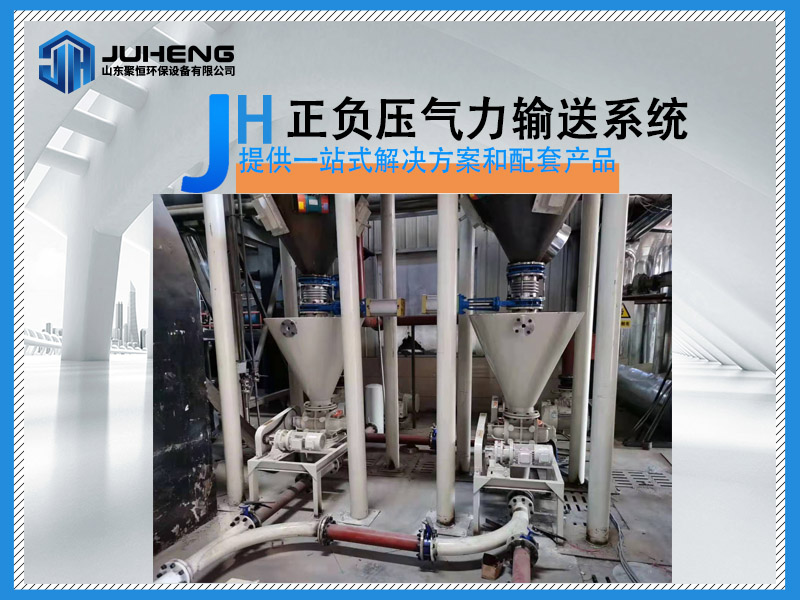
Fourth: Properly increasing exhaust in pneumatic conveying
In a dilute phase pneumatic conveying system, if there is no exhaust port, the fan may be supported by gas. When the rotary feeder rotates, each discharge port begins to transport the product to the blow pipe. Due to excessive system pressure, the entire system may not be able to transport the material to the designated location properly.
Fifth: Incorrect airflow diversion in pneumatic conveying system. When designing a pneumatic conveying system, if it is in a system with multiple receiving points, ensure that the airflow passes through. The airtight splitter correctly divides the flow. Airflow is only designed to collect and transmit from one point to another. We need an airtight splitter to isolate each delivery channel from multiple receiving points to multiple destinations.
Sixth: Improper filtration in pneumatic conveying systems
Some factories mistakenly rely on ventilation filters on silos. The exhaust filter is designed to expel air rather than transport it. This will cause problems with the fresh air flow in the system. In addition to the small ventilation filters on the silos, bag filters are very important for handling the conveying airflow.
Seventh: Corrosion of Material Contact Parts in Pneumatic Conveying Systems
In pneumatic conveying systems, any corrosive (such as dry salt) or acidic (such as biomass) material will corrode carbon steel. In order to ensure the stable operation of the pneumatic conveying system, it is necessary to ensure that the material contact part is made of stainless steel material.
If you have any further questions, please feel free to contact us,Shandong Juheng Environmental Protection Equipment Co., LtdWe provide 24-hour hotline service and welcome your call.