
Advantages of pneumatic conveying system in ports
In 1958, Guochang Port and Shanghai Port successively adopted pneumatic grain unloaders. After the 1970s, Guangzhou Huangpu Port, Heilongjiang Jiamusi Port, Guangdong Shiqi Port and other ports also successively built pneumatic grain unloaders. Pneumatic conveying is widely used for unloading bulk materials from ships in ports, such as grains, fly ash, cement, ore powder, salt, fertilizers, etc. It can improve the unloading speed and shorten the berthing time of ships in the port.
Pneumatic unloaders are generally of negative pressure suction type, negative positive pressure composite type, and negative pressure suction positive pressure combination type.
Most port pneumatic unloaders use negative pressure suction type, which has the following advantages:
1) It can improve working conditions, increase efficiency, and facilitate automation.
2) It can automatically suck all the loose powder and granular materials in the cargo hold into the bin on the shore.
3) There is no scattering of materials, and the materials at the bottom of the cabin are unloaded cleanly.
4) High production efficiency, unaffected by climatic conditions.
5) The material will not be contaminated.
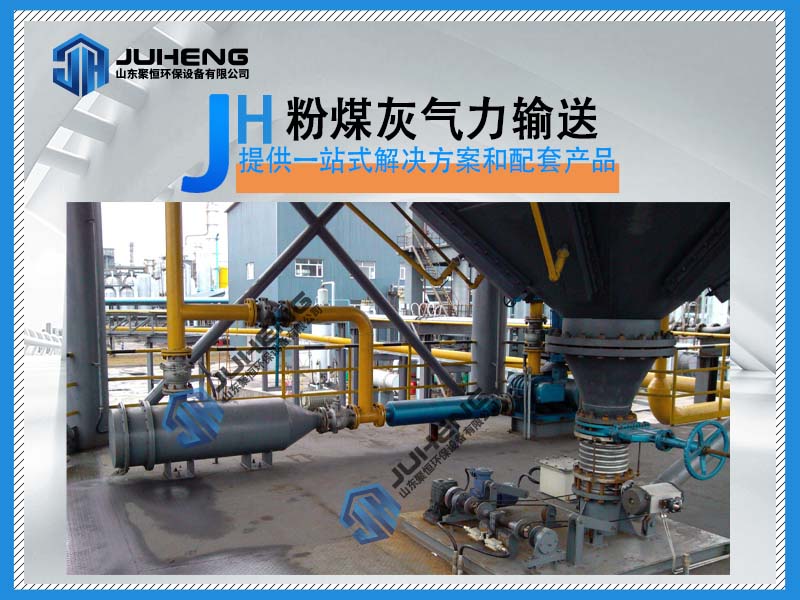
The current problems of pneumatic unloaders still need to be solved:
1) High power consumption.
2) The conveyed materials are subject to certain limitations and are not suitable for conveying wet, sticky, moisture absorbing, and easily compacted materials.
3) The noise of the fan is loud and can cause noise pollution.
4) When conveying hard materials, components such as bends are prone to wear and tear.
The loading capacity of the unloading vessel is between 1000-50000t or even larger. The conveying capacity of the pneumatic unloader is 50~400Vh.
The power consumption of the pneumatic unloader is 0.038-0.023 kW · h/(t · m).