
Pneumatic conveying in the grain industry
pneumatic conveyingGrain processing plants, oil processing plants, and feed processing plants are widely used in the grain industry. The customization of grain pneumatic conveyors is based on the specific conveying materials and the equipment selected according to the process. We need to clarify the method of pneumatic conveying system to select the equipment. The commonly used methods are as follows:
1. Suction pneumatic conveying, also known as negative pressure pneumatic conveying, is used for lifting and short distance conveying of materials;
2. Mobile pneumatic conveying, commonly used in dock grain suction machines;
3. Pressure conveying pneumatic conveying is also positive pressure pneumatic conveying, used for long-distance material conveying. For example, this transportation method is used for grain products, by-products entering or pouring into warehouses, and powder blending processes;
4. The mixed pneumatic conveying system of suction and pressure is widely used for the separation and warehousing of rice bran in rice factories.
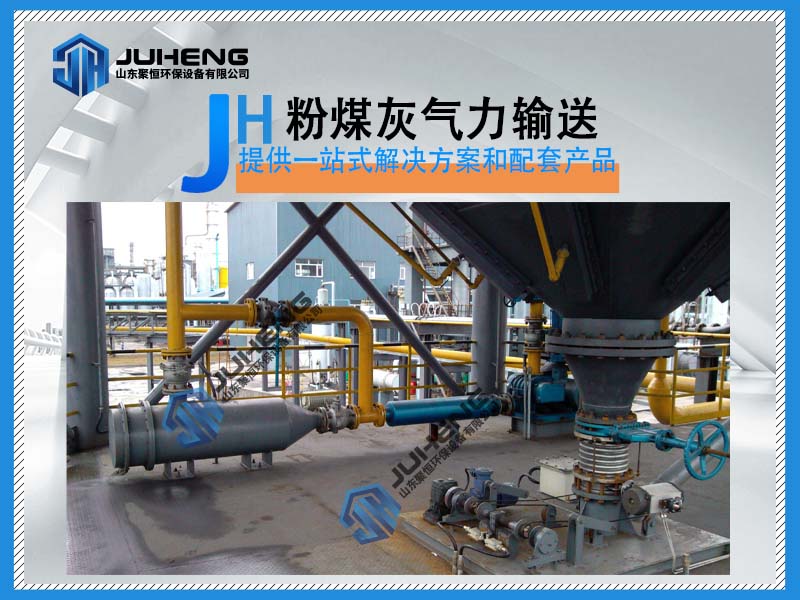
The use of pneumatic conveying not only replaces mechanical conveying, but can also be combined with certain process requirements to greatly complete some processes that rely on airflow in processing, thereby achieving twice the result with half the effort. This is unmatched by other traditional conveying methods, such as the following:
1) Vacuum suction function, because the feeder does not directly come from the atmosphere, but is sucked in from the vacuum hood at the discharge end of the conveyor belt;
2) Cleaning materials and air separation function: For example, using the air conveyed by pneumatic conveying to separate large bran from brown rice, the large bran separator is also a feeder; For example, using one of the pneumatic conveying equipment, the unloader, according to its special structure, when wheat enters the unloader with the airflow, it first collides and rubs against the inner wall of the unloader, causing the wheat hairs and adhered dust and dirt on the surface of the wheat grains to fall off; Under the action of airflow, intact wheat grains separate from the airflow, while light impurities such as wheat shells, wheat hairs, and withered rice are mixed in the airflow and enter the settling chamber to settle and separate separately.
3) Moisture absorption and cooling effect: The material coming out of the flour mill has a temperature higher than room temperature. Excessive temperature will cause protein denaturation and starch gelatinization, affecting the quality of flour; At the same time, the temperature of the material increases, generating a large amount of water vapor, which condenses inside the equipment and is not conducive to the flow and screening of the material. By using pneumatic conveying to pass a portion of the air through the mill, not only does it reduce the temperature of the material and the interior of the mill, improving the quality of the flour, but it also takes away heat and enhances the screening effect of the flat screen.