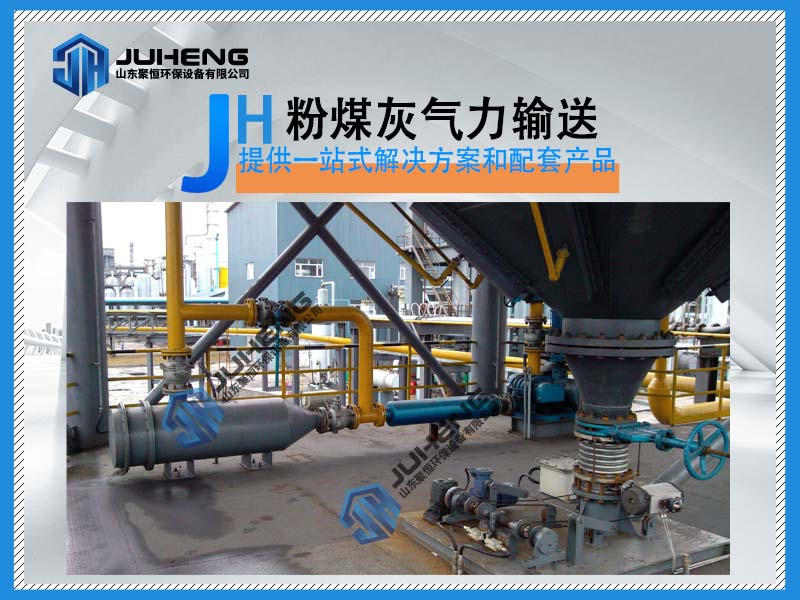
Pneumatic conveying engineering
pneumatic conveyingIt is a method of using airflow to transport powder and granular materials in pipelines. Pneumatic conveying engineering is a conveying equipment device that uses airflow as a carrier to transport materials, such as powder and granular materials. Pneumatic conveying engineering is often divided into suction type (also known as negative pressure or suction type) and pressure type (also known as positive pressure) according to the pressure state of air in the pipeline. It can also be classified into mixed suction and pressure type (also known as positive negative pressure mixed type) and closed cycle type according to demand. Suction type (also known as negative pressure or suction type) pneumatic conveying engineering, which is divided into two types: fixed and mobile;
The air source equipment is generally a Roots blower installed at the end of the system, and its advantages are:
Due to the suction type of negative pressure pneumatic conveying, the pipeline is in a negative pressure state, so it will not cause dust to overflow.
2. Materials are transported from multiple locations to a centralized location;
3. Suitable for transporting materials that are stacked on the surface or stored deep or low, such as bulk grain transportation in warehouses, cargo ships, etc;
4. Convenient and simple feeding, not limited by spatial location;
5. The requirements for unloaders and dust collectors are relatively high, requiring the discharge of materials under airtight conditions.
6. The conveying capacity and distance are limited, and the power consumption is high.
In the pneumatic conveying engineering, the air source machinery is located at the front end of the system. Compared with the suction type, it has the following characteristics:
1. Suitable for high flow and long-distance transportation;
2. The feeding device occupies a certain height and has a complex structure, requiring feeding under closed conditions;
3. The unloader has a simple structure;
4. Can prevent impurities from entering the system;
5. It is easy to cause dust to fly out and the transportation conditions are limited.
Hybrid pneumatic conveying engineering: It is a combination of suction and compression conveying, with common characteristics of both, and is commonly used in mobile pneumatic conveying devices.
The closed loop pneumatic conveying project involves the majority of air returning to the feeder for recirculation, while some air is purified and discharged into the atmosphere. Therefore, the amount of dusty air discharged into the atmosphere is minimal, which can reduce material loss and air pollution; The conveying capacity is small, and there is a certain amount of material in the return air duct that is prone to wear and tear.Pneumatic conveying engineering has been widely used in industries such as light industry, chemical industry, textile, tobacco, food, mining, metallurgy, and casting.