
Fault analysis of pneumatic conveying system
pneumatic conveyingThe system has obvious advantages when transporting powdered materials and is one of the effective ways to transport bulk powdered materials. The causes of pneumatic conveying system failures can be summarized as follows:
One reason is insufficient understanding of the characteristics of the conveyed material, leading to unreasonable selection of conveying methods;
Secondly, there are issues with the design parameters and equipment manufacturing technology, which pose a risk of malfunctions;
The third reason is the lack of correct operation and scientific management of pneumatic conveying systems and equipment.
The main faults in the pneumatic conveying system are blockage and wear of the conveying pipe;Factors affecting faults in pneumatic conveying systems:
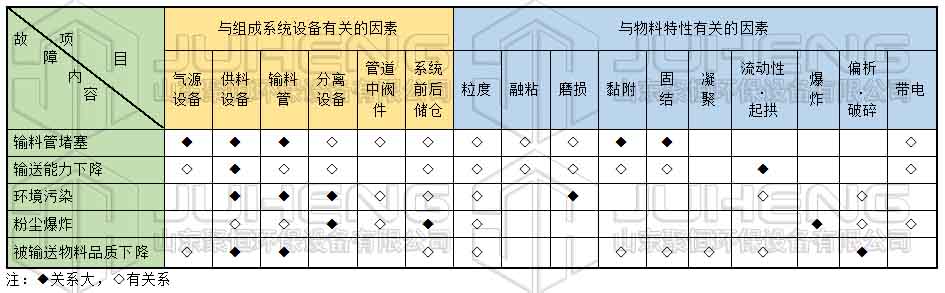
Blockage of the conveying pipe refers to the flow state of the conveyed material in the pipeline, where material particles sometimes separate from the airflow or settle at the bottom of the pipe to form clumps or adhere to the pipe wall and gradually thicken. Once the clumps accumulated in a local section of the pipe develop to fill the entire section of the pipeline and remain stagnant, it will cause the conveying process to completely stop, which is called "blockage" in the industry;After years of experience, Juheng has sorted out the influencing factors of blockage caused by transported materials:
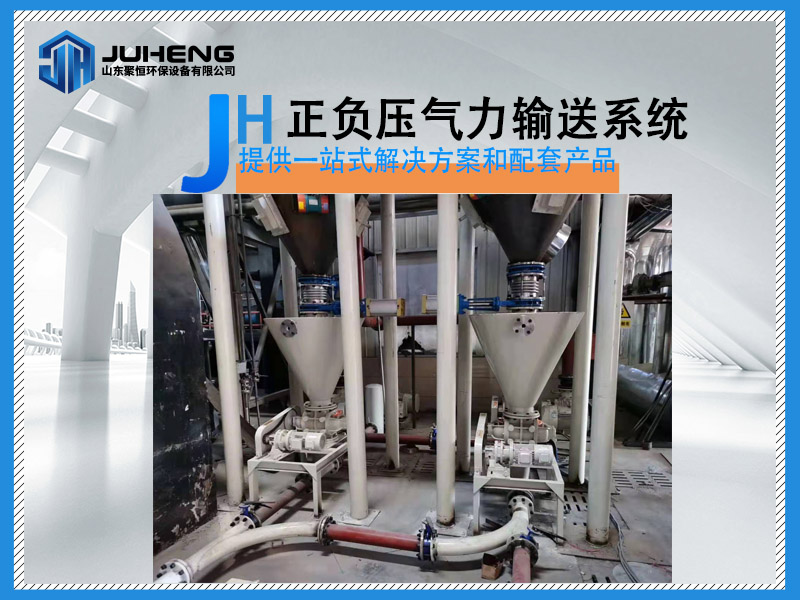
1) Material particle shape and particle size distribution;
2) Adhesion of materials;
3) Moisture content of materials;
4) The electrostatic effect of materials;
5) Improper structure and insufficient installation accuracy of pneumatic conveying device;
6) Unreasonable process layout and other factors are often the reasons for pipeline blockage during transportation.
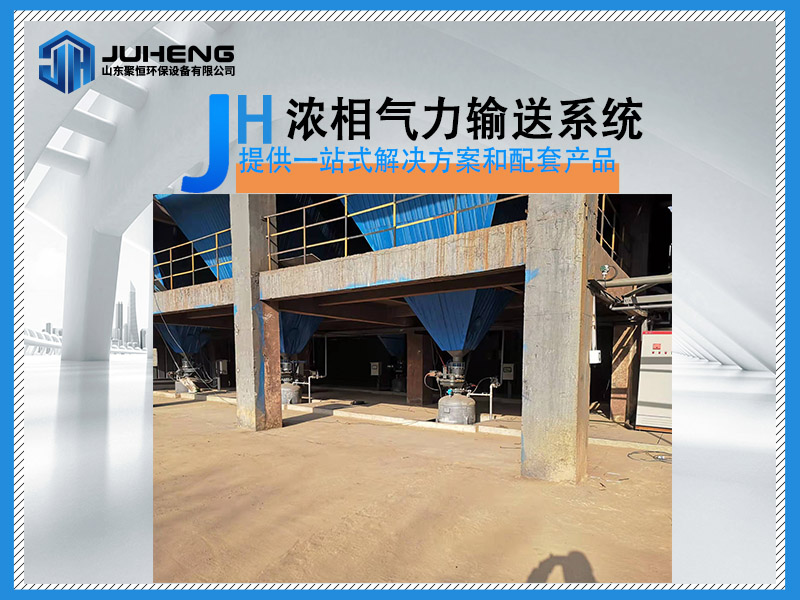
Wear and tear of pipelines and pneumatic conveying equipment: The energy conveyed by the pneumatic conveying device is transmitted to the transported material through air, so the air needs to exchange momentum while stirring the material. In order to prevent the transported material from being stuck at the bottom of the conveying pipe, it is necessary to maintain a certain moving speed. Therefore, collisions and impacts occur between particles and pipe walls during transportation, which is the wear and tear of the pneumatic conveying device and pipeline; In addition to the conveying pipeline, there are parts of the equipment in the pneumatic conveying system that move relative to the material, such as the inlet of the separator and the unloader, which have local wear and tear. However, the most prominent part that affects the reliability and normal operation of the pneumatic conveying device due to wear and tear is the wear of the conveying pipe.