Factors affecting pneumatic consumption in coal powder pneumatic conveying system
Coal powder pneumatic conveying systemThe advantages of this method are that the transportation process is completely carried out in a closed pipeline, with fewer equipment, easy layout, simple system, less or no occupation of effective space, and a good workshop environment; The disadvantage is that it consumes a lot of power, which is related to production and operating costs. We will maximize its advantages and minimize its disadvantages. The problem of high power consumption, especially in pneumatic conveying powered by compressed air, is mainly affected by the following factors:
1. Transport distance: The longer the transport distance, the greater the gas consumption; So in the design process, the conveying distance should be shortened as much as possible while meeting the process requirements;
2. Conveying pressure: The higher the conveying pressure, the higher the mixing ratio of conveying powder and gas, and the lower the unit power consumption. According to comparison, among low-pressure, medium pressure, and high-pressure pneumatic conveying, high-pressure conveying is the most economical; In high-pressure pneumatic conveying systems, the higher the pressure, the shorter the conveying time, and the less compressed air consumption. We have previously mentioned that one of the factors affecting the wear of pneumatic conveying pipelines is high pressure. The higher the pressure, the greater the pulsating impact force, resulting in greater pipeline wear. Therefore, based on the actual situation, it is necessary to calculate which type of loss is more likely to reduce costs. One cannot have it both ways.
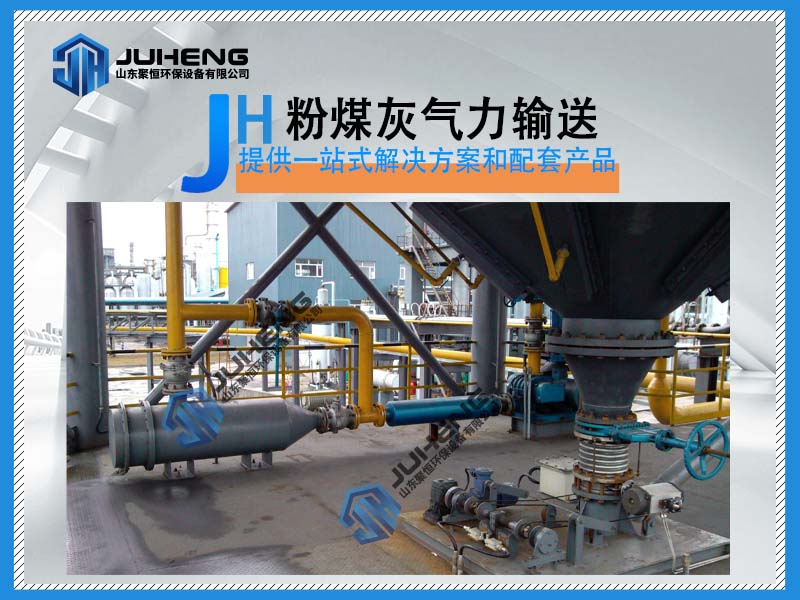
3. Structural form of the sending device: The greater the outlet resistance of the sending device and the longer the conveying time, the higher the gas consumption; The capacity and loading factor of the sending device also affect the gas consumption. Because a portion of the air consumption is required at the beginning and end of each conveying process, which results in a small amount of coal powder being transported, increasing the capacity of the sending device can reduce the number of conveying times and thus decrease the initial and final air consumption. The loading factor is the ratio of the volume of coal powder loaded by the sending device each time to the volume of the sending device itself. The higher the loading factor, the lower the gas consumption. For example: continuous pneumatic conveying pump.
4. Layout of conveying lines: In the case of conveying the same distance, the more bends, branch valves, etc. are arranged near the end of the pipeline, the greater the resistance of the conveying system, and thus the greater the air consumption. So, when designing, it is necessary to minimize the number of bends, branch valves, and other components in the pipeline under certain conditions, and to be as close as possible to the sending device to reduce resistance and save air consumption. In addition, as we have mentioned before, this can also reduce pipeline wear, which is one of the countermeasures for the factors affecting the wear of pneumatic conveying pipelines.
5. Inlet valve opening and closing speed: At the beginning of conveying, the inlet valve should open quickly to rapidly increase the pressure inside the sending device, which is beneficial for conveying; When the coal powder is transported in the sending device, the inlet valve should be quickly closed to allow the remaining air in the sending device to transport the remaining powder, thus minimizing air consumption. If the intake valve is closed slowly, allowing the compressed air to be discharged directly without obstruction increases the air consumption in the pressure reducing area near the end of the sending device, resulting in an increase in the proportion of this area to the total air consumption and causing waste of compressed air. If the intake valve is closed too early, it may cause blockage, so it is important to control it reasonably to achieve the best results.