
Design principles for pneumatic conveying pipelines
Material utilization pipeline transportation is an indispensable component of modern logistics technology and system equipment,pneumatic conveyingPipeline is a gas-solid two-phase flow transportation technology that uses pressurized gas as a carrier to transport bulk materials in a closed pipeline. It has the characteristics of high transportation efficiency, small footprint, and no pollution.
Pneumatic conveying pipeline technology belongs to gas-solid two-phase flow. After long-term research, low-speed dense phase pneumatic conveying technology has been successfully developed for suspended dilute phase pneumatic conveying, which is prone to problems such as high energy consumption, material breakage, pipeline component wear, and pipeline blockage. It solves the problems of material breakage, pipeline wear, and high energy consumption in the past, and improves the reliability of the system and the economy of the project.
Pneumatic conveying pipelines are used to transport materials, and most of the power consumption of the system device is used for conveying pipelines; Generally, circular cross-section tubes are used to evenly distribute air throughout the entire cross-section, which is an important prerequisite for ensuring stable material transportation. In addition, circular tubes have lower resistance and are simpler to manufacture compared to other tube shapes.
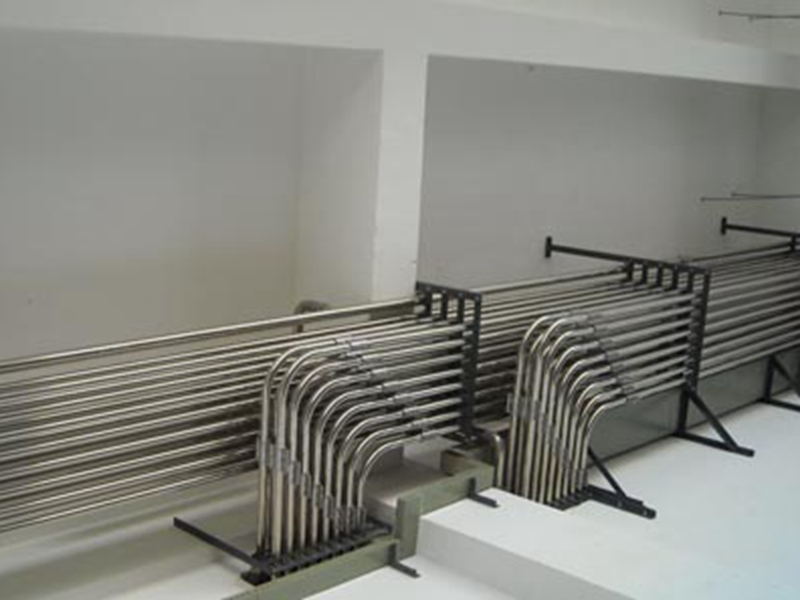
The pneumatic conveying pipeline is connected between the feeder and the unloader. The conveying pipe system consists of straight pipes, bent pipes, expansion pipes, flexible pipes, and pipeline connecting components. The commonly used conveying pipes have an inner diameter of 50-400mm and a wall thickness of 3-8mm, including seamless steel pipes and galvanized steel pipes. In the food, pharmaceutical, and chemical raw material industries, pneumatic conveying pipelines can be made of stainless steel pipes, aluminum pipes, hard plastic pipes, etc. The principles for the design, configuration, and construction of pneumatic conveying pipelines by Shandong Juheng Environmental Protection Equipment Co., Ltd. are as follows:
1. The conveying distance should be as short as possible;
2. The number of elbows used in pipelines should be minimized as much as possible;
3. Full consideration should be given to using buildings and workshops as support, while not affecting the maintenance of other equipment and the smooth flow of passages;
4. The support of the pipeline will bear the self weight of the pipeline and the weight of the transported material, and must have sufficient strength; In addition, sufficient ventilation and vibration reduction measures should be taken into account during the transportation of powder particles and the discharge of exhaust gas at the terminal; It is advisable to avoid burying pipelines in the ground as much as possible, and if necessary, they should be installed in pipeline trenches;
5. Flanged connections are often used between pipelines. When the pipeline is very long, the number of flanges should be reduced. The pipeline can be welded and flanges can be used appropriately for disassembly;
If aluminum tubes are used, steel flanges are generally still used. To avoid electrochemical corrosion, an intermediate insulation material is added between the flange and the aluminum tube;
When transporting high-temperature materials or working in high-temperature environments, the system should consider measures to prevent thermal expansion;
8. In case of blockage of the conveying pipeline due to the characteristics of the conveyed material and the possibility of foreign objects being mixed in, emergency treatment dredging ports should be considered.