
The difference between two types of automatic powder conveying systems
Choose powder automatic conveying system: pressure or vacuum
Due to their high efficiency and inherent dust resistance, powder automatic conveying systems provide the most practical method for moving large amounts of dry materials (whether in powder or granular form). The powder automatic conveying system uses airflow to move materials through horizontal or vertical pipelines, with two types: pressure or vacuum.
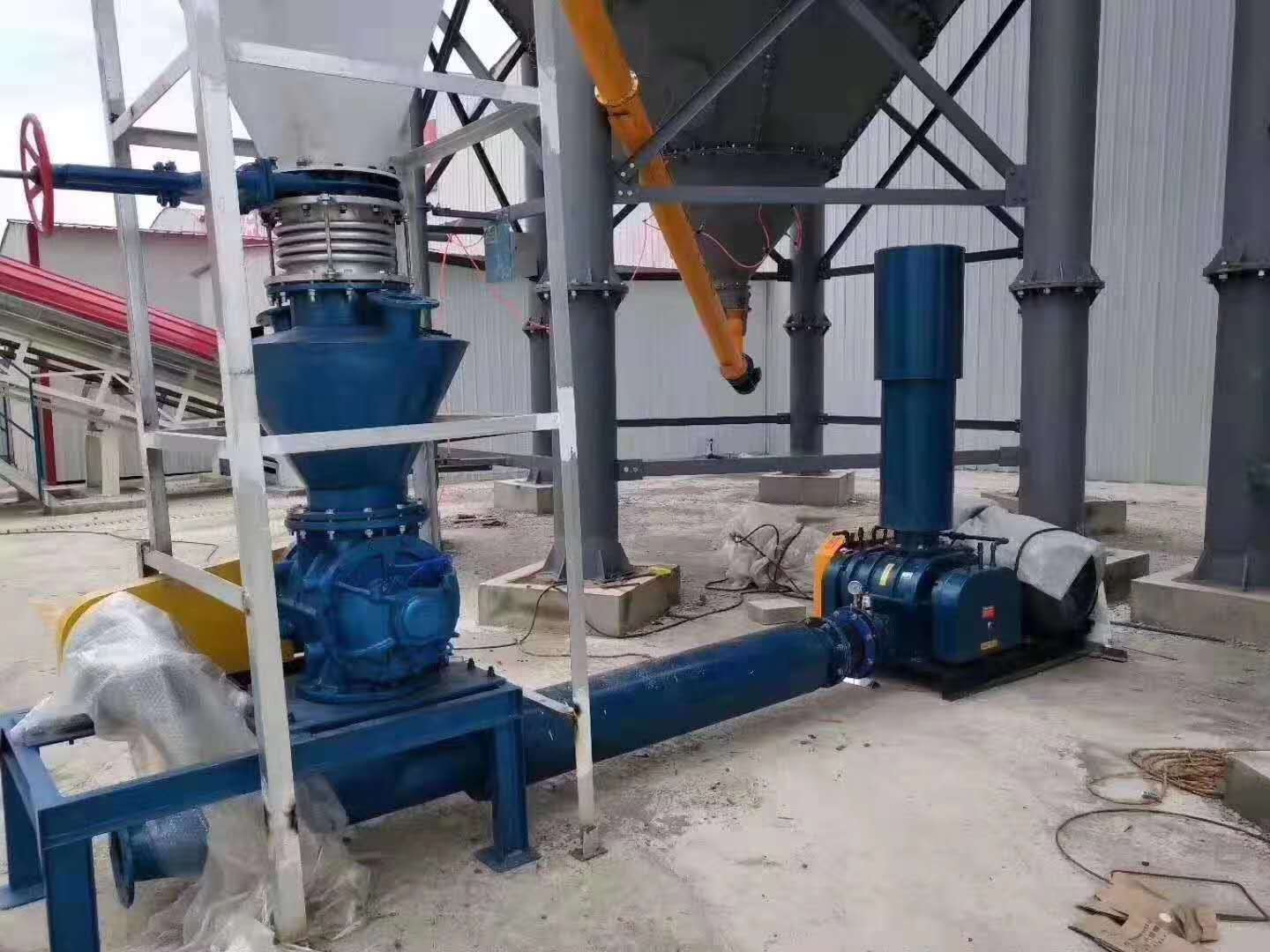
Differences and Similarities of Powder Automatic Conveyor Systems
The powder automatic conveying system can use a pressure system to introduce compressed air at the system inlet to push the material through the pipeline, or use vacuum at the conveying end to pull the material through the pipeline. Pressure and vacuum systems can be used for dense phase (high pressure/low speed) or dilute phase (low pressure/high speed) operations.
The air to material ratio of the dense phase powder automatic conveying system is very low. Low speed refers to the critical velocity at which particles fall from a suspension in a pipeline. Therefore, dense phase systems move materials in batches through pipelines, and discrete sand dunes or material plugs are separated by air pockets. The valve system can be adjusted to reduce air pockets.
The automatic conveying system for dilute phase powder has a high material to gas ratio. In this type of system, materials are most commonly fluidized or suspended in the airflow and move at relatively high speeds based on particle size and density. The automatic conveying system for dilute phase powder usually transports materials continuously. The materials are continuously supplied at the pickup point and transported to the receiver without interruption.
Pressure powder automatic conveying system
The basic components of the pressure powder automatic conveying system are the rotary air lock feeding valve, high-pressure air compressor system, or low-pressure volumetric blower as the power source. Pressure vessels, conveying pipelines, and receivers constitute the balance of the system. Operate under system pressure using high-pressure compressed air, with the final pressure approaching atmospheric pressure. The low-pressure displacement blower provides an end pressure close to atmospheric pressure.
Firstly, the material is loaded into the pressure vessel through a rotary airlock. Once the pressure vessel is filled, the inlet and outlet valves are closed and sealed, and high-pressure air gradually enters the pressure vessel. High pressure air transports the material to the receiver, where the air and material are separated through a filter or other system. Valves and sensors control air pressure and speed. When the predetermined low pressure setting is reached at the end of the conveying cycle, the air supply is turned off and the remaining air is used to blow the pressure vessel and conveying pipeline.
When transporting heavy materials over long distances, pressure powder automatic conveying systems are usually the preferred choice. However, pressure powder automatic conveying systems can be quite expensive as they require special equipment such as rotary valves to introduce materials into the airflow at the inlet, as well as additional components to remove air from the exhaust end through ventilation systems.
vacuum system
The basic components of the vacuum powder automatic conveying system are the suction nozzle, conveying line, receiver, and vacuum generator, with the vacuum generator being the power source. The vacuum generator generates the required negative pressure and pulls the material into the receiver through the conveyor line. Many devices, including regenerative blowers, compressed air driven injector devices, factory central vacuum or positive displacement vacuum pumps using liquid ring vacuum pumps or low-pressure blowers, can be used as vacuum generators. The maximum negative pressure generated and the overall capacity of the system, as well as the efficiency and general operating characteristics of the powder automatic conveying system, depend on the type of vacuum generator used.
The airflow generated by the vacuum generator causes the material to enter the receiver through the conveying pipeline. There, gravity causes the material to fall into the receiving hopper. The internal filter separates the material from the air to remove any dust and protect the vacuum generator. Multiple methods depending on application applicability can be used to transport materials from the receiver to their final destination.
Vacuum powder automatic conveying systems are typically preferred for transporting materials that may accumulate or clog in pressure systems. When space is extremely valuable, they are also a good choice; For example, installing a pressure system rotary valve in the limited space below the hopper rail car may not be practical. However, if you need to transport materials over long distances, a vacuum conveyor is not a good choice. Because they operate at pressures equal to or lower than atmospheric pressure, the vertical distance and pipeline curvature also reduce the effective horizontal distance.