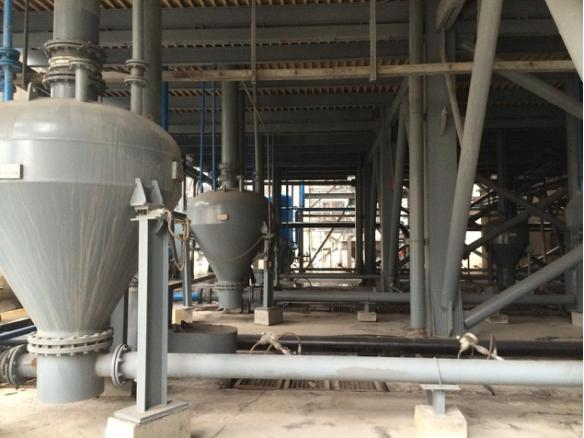
Powder pipeline pneumatic conveying
Powder pipeline pneumatic conveyingThe design of a system is a complex and important process that requires comprehensive consideration of multiple factors to ensure system stability and efficiency. Here are some key steps and points:
Clear conveying requirements: Firstly, it is necessary to determine the type of powder material to be conveyed, the conveying volume, the conveying distance, and any special requirements during the conveying process (such as temperature, humidity, etc.). These requirements will directly affect the design and configuration of pneumatic conveying systems.
Choose the appropriate pneumatic conveying method: Based on the conveying requirements and material characteristics, choose the appropriate pneumatic conveying method, such as dilute phase conveying or dense phase conveying. Dilute phase conveying is suitable for situations with longer conveying distances and larger conveying volumes, while dense phase conveying is suitable for situations with shorter conveying distances and higher requirements for material crushing.
Design of conveying pipeline: The conveying pipeline is the core part of the pneumatic conveying system, and its design needs to consider factors such as pipeline diameter, length, and bending radius. The diameter of the pipeline should be determined based on the conveying capacity and material characteristics to ensure smooth flow of materials in the pipeline. The length and bending radius of the pipeline need to be arranged reasonably according to the conveying distance and site conditions to reduce energy loss and prevent material blockage.
Configure gas source and gas supply equipment: The gas source is the power source of the pneumatic conveying system, usually using equipment such as Roots blowers and air compressors. The selection and configuration of gas supply equipment need to be determined based on the conveying capacity, pipeline length, and material characteristics to ensure stable airflow.
Consider material separation and dust removal: During pneumatic conveying, materials and air are mixed together, so material separation devices such as cyclone separators or bag filters need to be installed at the end of the conveying pipeline to separate materials from air. At the same time, dust removal measures need to be considered to prevent dust pollution and ensure the safety of the working environment.
Design and installation of control system: The pneumatic conveying system needs to be equipped with a control system to monitor and adjust the conveying process in real time. The control system should include sensors, instruments, valves, and other equipment to achieve precise control of parameters such as airflow velocity, pressure, and temperature.
Consider safety and reliability: In the design process, it is necessary to fully consider the safety and reliability of the system. For example, explosion-proof devices and venting ports are installed on the conveying pipeline to prevent explosion accidents caused by material blockage or friction. Meanwhile, it is also necessary to consider the maintenance and upkeep of the equipment to ensure the long-term stable operation of the system.
In summary, the design of pneumatic conveying for powder pipelines is a complex and important task that requires comprehensive consideration of multiple factors. In the actual design process, it is recommended to cooperate with professional pneumatic conveying equipment manufacturers or design companies to ensure the rationality and feasibility of the design.