
The pneumatic conveying system maintains long-term stable operation
To ensure the long-term stable operation of the pneumatic conveying system, a series of measures need to be taken, covering various aspects from equipment maintenance to operational standards. Here are some key steps and precautions:
Equipment maintenance:
cleaning equipmentRegularly clean the conveying pipelines and dust collectors, as well as valves and other components, to ensure that there is no accumulation of dust and impurities inside the system, thereby avoiding blockage and damage.
inspection and maintenanceRegularly inspect the mechanical components, electrical components, pneumatic components, etc. of the system to ensure that they are all in normal working condition. This includes checking for gas leaks in the conveying pipeline to prevent gas leakage.
lubricating partsAccording to equipment requirements, regularly lubricate bearings, gears, and other components to reduce wear and failure.
Replacement partsTimely replace worn or damaged components to prevent further deterioration of the problem.
correct operation:
Follow the correct operating procedures to avoid equipment malfunctions caused by improper personal operation. For example, when opening and closing valves, the operation should be carried out slowly and steadily to avoid equipment overload caused by instantaneous closing or opening.
Control the flow rate of conveyed materials to avoid equipment blockage or damage caused by excessive or insufficient materials.
strengthen training:
Train operators to understand the structure, principles, and operating methods of equipment, enhance their operational skills and safety awareness.
Provide necessary personal protective equipment to ensure the safety of operators.
Fault prevention and resolution:
Identify common faults such as insufficient conveying capacity, blockage, air leakage, fan failure, and control system failure, and develop corresponding preventive measures.
For faults that have already occurred, choose corresponding solutions based on the specific situation, such as checking and adjusting the gas source pressure, cleaning the pipeline, replacing seals, etc.
Develop maintenance plan:
Develop a detailed maintenance plan based on the operation of the equipment and the manufacturer's recommendations, including regular inspections, maintenance, and repairs.
Record maintenance status for easy tracking of equipment operation, timely detection and resolution of problems.
Introducing advanced technology:
Through an intelligent control system, real-time monitoring and remote control of the conveying process can be achieved, and system parameters can be adjusted in a timely manner to ensure stable operation of the system under different working conditions.
Introduce advanced sensor technology to monitor parameters such as flow rate and temperature of fire-resistant materials, detect potential problems in advance, and strengthen preventive maintenance of the system.
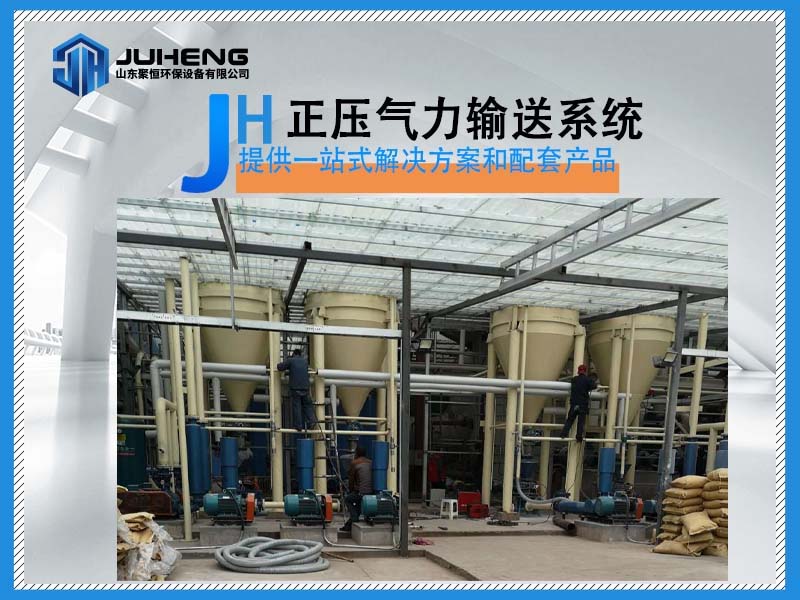
In summary, by strengthening equipment maintenance, correct operation, enhancing training, fault prevention and resolution, developing maintenance plans, and introducing advanced technologies, various measures can be taken to ensure the long-term stable operation of the pneumatic conveying system.