
What is the working principle of pressureless pneumatic conveying
Non pressure pneumatic conveying, also known as negative pressure pneumatic conveying or suction pneumatic conveying, is a type of pneumatic conveying technology. The following is a detailed explanation of pressureless pneumatic conveying:
definition
Non pressure pneumatic conveying is a technology that uses airflow to create negative pressure (below atmospheric pressure) inside a pipeline, and through the action of negative pressure, materials are conveyed in the pipeline. This technology is mainly used for conveying materials from low to high, from dispersed to concentrated, or from multiple points to a single point.
feature
Negative pressure operation: creating negative pressure inside the pipeline, allowing materials to be sucked in and transported along the pipeline following the airflow.
Applicability: Suitable for conveying powdered, granular, and small materials such as cement, fly ash, grains, chemical raw materials, etc.
Simple structure: The device has a simple structure, is easy to operate, and is easy to maintain.
Flexibility: It can be transported horizontally, vertically, or diagonally, and can undergo physical or chemical treatments such as heating, cooling, and drying during the transportation process.
working principle
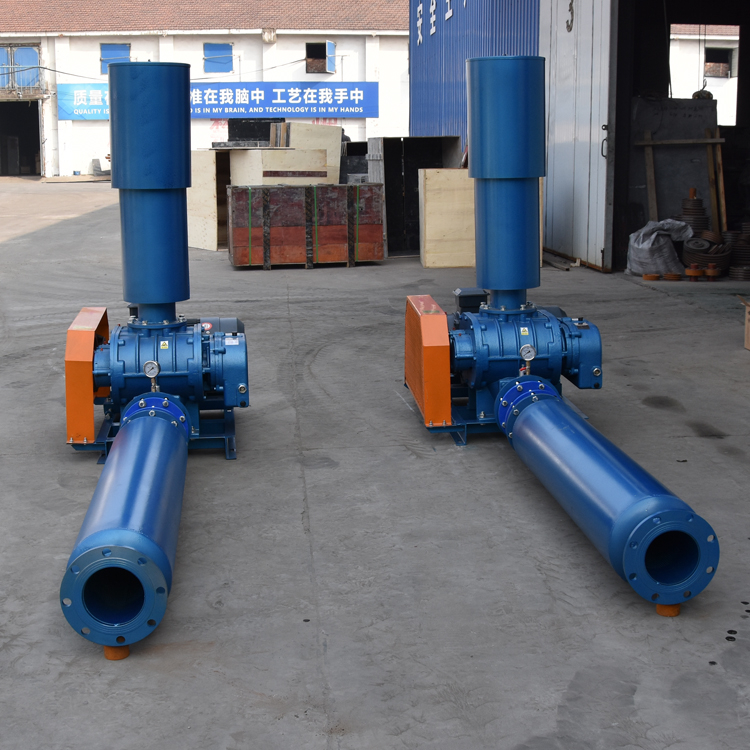
Non pressure pneumatic conveying equipment usually consists of a blower, suction pipe, conveying pipeline, separator, dust collector, etc. The blower generates negative pressure in the pipeline, and the material is sucked in through the suction tube and flows along with the airflow in the pipeline. When the material reaches its destination, it is separated from the airflow by a separator, and the airflow is discharged into the atmosphere after being treated by a dust collector.
Application scenarios
Non pressure pneumatic conveying is widely used in industries such as chemical, building materials, grain, and environmental protection, especially in situations where material leakage and environmental pollution need to be avoided. Non pressure pneumatic conveying technology has demonstrated its unique advantages.
Precautions
When using pressureless pneumatic conveying, attention should be paid to the influence of material characteristics on the conveying effect, such as particle size, density, humidity, adhesion, etc.
The design of the conveying pipeline should be reasonable, avoiding excessive length, thinness, or bending to reduce resistance loss and ensure conveying efficiency.
The selection of blower should be comprehensively considered based on factors such as conveying distance, material characteristics, and conveying volume.
In summary, pressureless pneumatic conveying is a technology that utilizes negative pressure for material conveying. It has the characteristics of simple structure, convenient operation, and strong flexibility, and has been widely used in multiple industries.