
What are the types of gas delivery systems that can be classified
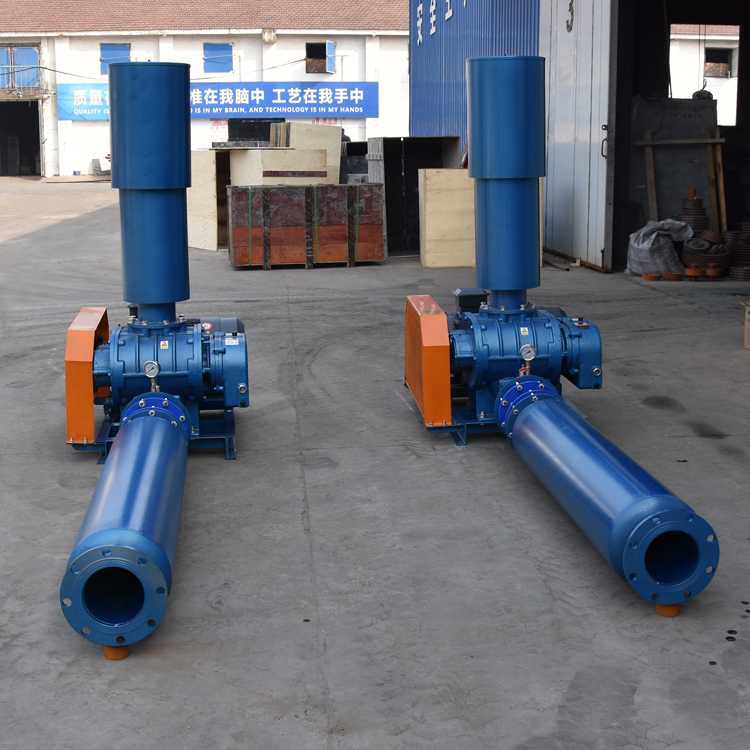
A gas delivery system is a system that uses gas (mainly air or inert gas) as a power source to transport materials from one place to another through pipelines. The following is a detailed explanation of the gas delivery system:
1、 Definition
Gas conveying system, also known as pneumatic conveying system, refers to a system that transports materials (granular materials) from one place to another through the pressure difference and kinetic energy generated by the flow of gas (such as air) in pipelines.
2、 Components
Gas source system: provides gas power, such as air compressors, storage tanks, etc., to ensure the stability and continuity of gas pressure.
Feeding system: responsible for feeding materials into conveying pipelines, such as rotary feeders, screw pumps, etc.
Transportation pipeline system: connecting the gas source system and the feeding system, it is the main channel for material transportation. The material, diameter, length, etc. of the pipeline will affect the conveying effect.
Dust removal system: deals with the dust generated during the transportation process to ensure that the system emissions meet environmental requirements. Dust removal equipment such as dust collectors, filters, etc.
Control system: Control and regulate the entire system, such as PLC control system, to achieve automated operation and monitoring.
3、 Working principle
The working principle of a gas delivery system mainly includes the processes of gas generation, pressurization, transportation, and release. Firstly, gas is generated through the gas source system and then pressurized to meet the transportation requirements. The pressurized gas is transported to the destination through a conveying pipeline. During the transportation process, it is necessary to control the speed and pressure of the airflow to ensure that the material can be transported smoothly.
4、 Classification
According to the density of materials in the pipeline, they can be divided into dilute phase transportation and dense phase (concentrated phase) transportation. The former material is transported in a suspended state, while the latter is transported at a low speed in a non suspended state.
According to the pressure value of the transported gas, it can be divided into four types: positive pressure dense phase, positive pressure dilute phase, negative pressure dense phase, and negative pressure dilute phase.
5、 Characteristics
Efficiency: Gas conveying systems can achieve continuous and stable material transportation, improving production efficiency.
Environmental friendliness: Operating in a closed pipeline to reduce dust pollution and material loss.
Flexibility: The pipeline layout is flexible and can adapt to various complex production environments.
High degree of automation: Equipped with advanced control systems, remote monitoring and automatic control can be achieved.
6、 Application Fields
Gas conveying systems are widely used in various industries such as chemical, food, pharmaceutical, metallurgical, etc., for conveying various powders and granular materials. For example, in the chemical industry, it can be used to transport coal powder, cement, pigments, etc; In the food industry, it can be used to transport flour, sugar, salt, etc.
7、 Summary
Gas conveying system is an efficient, environmentally friendly, and flexible material conveying method that plays an important role in modern industrial production. By optimizing design and operational control, efficient, stable, and energy-saving material transportation can be achieved to meet various production needs.