
Factors causing blockage in pneumatic conveying pipes
pneumatic conveyingThere are many factors that can cause blockages in pneumatic conveying systems, such as improper operation or humidity. It is also possible that the manager of the pneumatic conveying system may not have sufficient understanding of the pneumatic conveying system and may replace the equipment parameters and operating procedures, which can lead to blockages in pneumatic conveying.
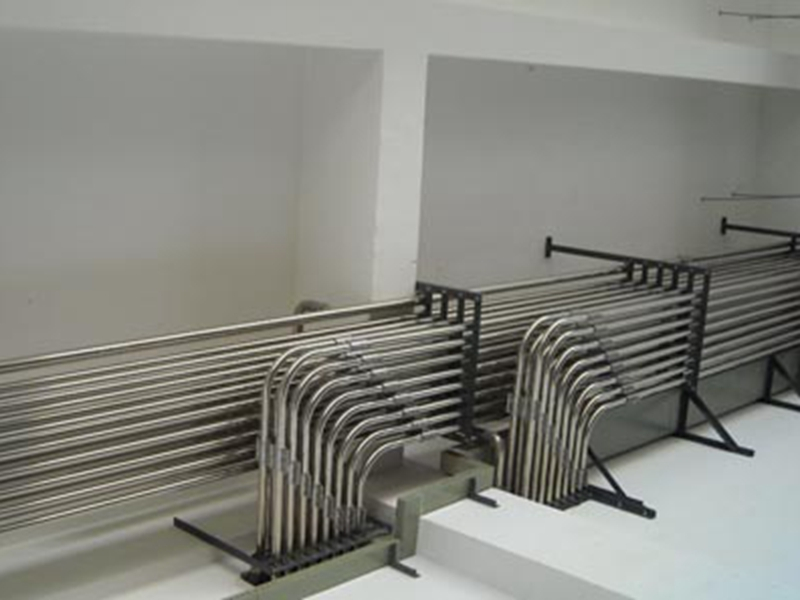
When using a high-pressure conveying system for pneumatic ash conveying, the conveying is carried out reluctantly under the specified gas source pressure; During pulse pneumatic conveying, when the pressure of the air knife is too low, or when the air is arbitrarily shortened or the material is extended, the material plug becomes too long;
When the pneumatic ash conveying of the bin pump is carried out, the inlet valve of the bin pump is opened too slowly, not fully opened, or accidentally closed during the conveying process; The sealing ring is not ventilated and sealed; Turn on the conveying gas source before aligning the position of the commutator after turning; When using negative pressure pneumatic ash conveying, the air inlet or nozzle is obstructed; All of these are used to transport insufficient air volume and pressure;
During pulse pneumatic ash conveying, when the bin pump is pressurized, the discharge ball valve is opened before the air knife enters, causing the material in the pump to suddenly rush out and fill a long section of the pipeline;
4. The warehouse pump is too full of material, resulting in insufficient air intake and inability to mix the air and materials well;
5. There are large or elongated debris mixed in the material, which is blocked in a certain part of the discharge port or pipeline;
6. There is excess material stored in the warehouse pump or conveying pipe, which is transported without being cleared, resulting in excessive material in some parts of the pipeline; If these residual materials have already agglomerated, it is easier to block them;
7. The material in the final conveying bin is full and the outlet of the conveying pipe is covered;
8. Cold winter or rainy season often causes condensation of water droplets on the inner wall of pipelines; Insufficient dehydration of high-pressure air from the air compressor; The material itself has a high temperature or contains a lot of hygroscopic components; All of these will increase the moisture content in the material and make it sticky, leading to the phenomenon of ash transport blockage;
9. Some materials with self hardening properties may clump during transportation; Some materials have elasticity and become more solid as they are compressed during positive pressure pneumatic conveying; These materials with these characteristics are prone to causing blockages in the conveying pipeline;
During the material conveying process, the pneumatic conveying system may encounter emergency power outages, gas supply system valve failures, or other unexpected accidents.
If your production needs change and you need to purchase new equipment or upgrade your system, please feel free to contact us. We can provide the best conveying solution for free.