
Solution to Wear of Pneumatic Conveying Pipeline
In the design of the conveying system,pneumatic conveyingThe solution to pipeline wear is particularly important if the design of the conveying pipeline and its components is not given enough attention. This kind of neglectThis can lead to some major problems with the conveying system, such as low conveying speed, blocked conveying lines, excessive wear of the conveying lines, high pressure drop in the conveying system, product damage, and the generation of fine streamsCross contamination with products, etc.
Generally, the pipeline itself is made of materials such as carbon steel, aluminum, and stainless steel. Use stainless steel for food and pharmaceutical applications. For special applications such as abrasive solids, high temperatures, etc., it is necessary to find suitable solutions for the wear and tear of pneumatic conveying pipelines and their components.
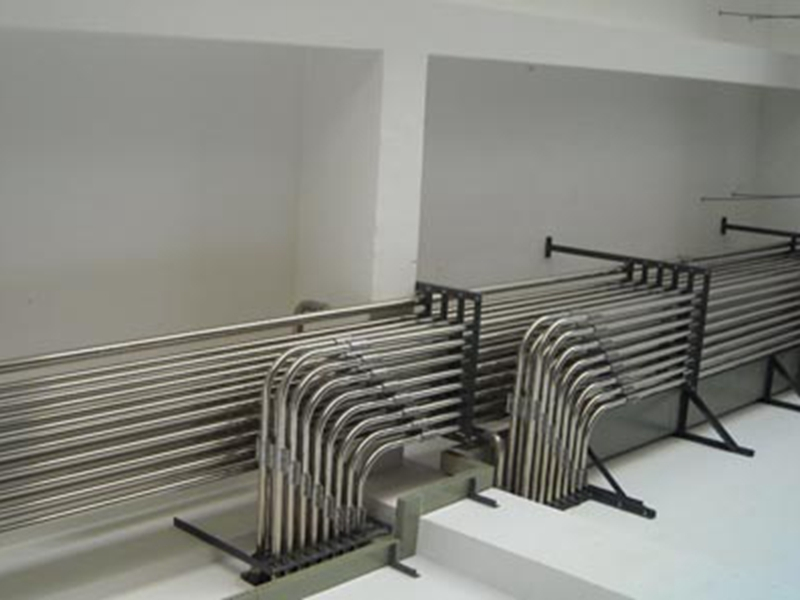
Pressure rating: The pressure rating of the conveying pipeline should be compatible with the maximum conveying pressure of the conveying system. For most applications of Roots blowers, a pressure rating of 30psi is satisfactory. This level corresponds to the level of pipeline wear solutions, using thicker pipeline temperature levels. The temperature rating of the conveying pipeline should be suitable for the lowest and highest temperatures experienced by the conveying pipeline. These temperatures depend on the ambient temperature, conveying air temperature, and solid temperature.
Pipeline joints. Due to the need to dismantle pipelines and address pipeline wear, welding between pipeline sections is not allowed. These parts should be connected together for easy disassembly of the pipeline. Flanges can also be used, but they are expensive and difficult to disassemble. They should be used in areas where the seams must be 100% leak proof. It is common to use pipe joints that are easy to open. When necessary, find a connector that is easy to disassemble.
The inner diameter of the coupling or flange must be equal to the inner diameter of the pipeline. The two ends of adjacent pipe segments must be truly aligned with each other, so that there are no internal protrusions and no gaps between the two ends.
Solution for wear of pneumatic conveying pipelines: The inner surface of the pipeline should be clean, free of oil stains and rust. Unless dealing with plastic may result in the production of so-called streamer (plastic degradation products).
In this case, use special tools to roughen the inner surface. Aluminum elbows should be anodized to increase the lifespan of the scratches, especially when transporting hard or abrasive materials. As an option, stainless steel elbows can also be used based on their relative cost. Although scratches are recommended for use in conveying systems for handling soft plastics, they have two obvious drawbacks. The pressure drop through the conveying system is higher than that of a smooth pipeline, and due to the rough surface, some particles may experience wear and tear. The amount of fine powder generated in the granular plastic system is significant. Then it is necessary to wash or air wash the particles at the end of the conveying system.
Solution for wear of pneumatic conveying pipelines: When dealing with solids that generate static charges, a pipeline must be established to transport this charge to the ground. Pipeline joints must allow charge to flow to the ground by using static conductive jumpers on each joint. After the pipeline assembly is completed, check its resistance to the ground from beginning to end. The standard length of the pipeline is 20 feet. Therefore, provide support for the pipeline every 20 feet or less. Position these supports to prevent any sagging pipes due to their weight. After installation, ensure that the pipeline is straight and not dented. If the pipeline will expand due to high temperature, design supports to allow for this expansion. Position the pipeline to make it easy to disassemble. The material, pressure rating, and temperature rating of the bent pipe should be the same as those of the pipeline. Due to pressure drop considerations, standard short radius bends are not used for conveying pipelines. Research has shown that long radius bending has lower pressure drop.
Shandong Juheng Environmental Protection Equipment Co., LtdWe have been deeply involved in the pneumatic conveying industry for many years. If you need pneumatic conveying systems or equipment, please feel free to contact us. We provide free on-site design solutions, free machine testing, one-year warranty for the entire machine, and lifetime maintenance services.