
Two types of pneumatic conveying
Pneumatic ConveyorThere are generally two types of pneumatic conveyors, and once the type of pneumatic conveyor is determined, the correct solution for the pneumatic conveying process is also determined. Understanding the conveying mode of pneumatic conveyors can help further distinguish which conveying method is more suitable for the application. Dilute phase transport occurs when materials are suspended in air as they are blown or sucked through pipelines. Almost all materials can be transported in this way, regardless of their particle size, shape, or density. However, a relatively high speed is required, which requires a significant amount of energy consumption. Grinding particles are not recommended for this type of pneumatic conveyor as they may cause damage and erosion to the pipeline. Similarly, products that are prone to breakage or fragmentation should not be transferred in this way due to their vulnerability.
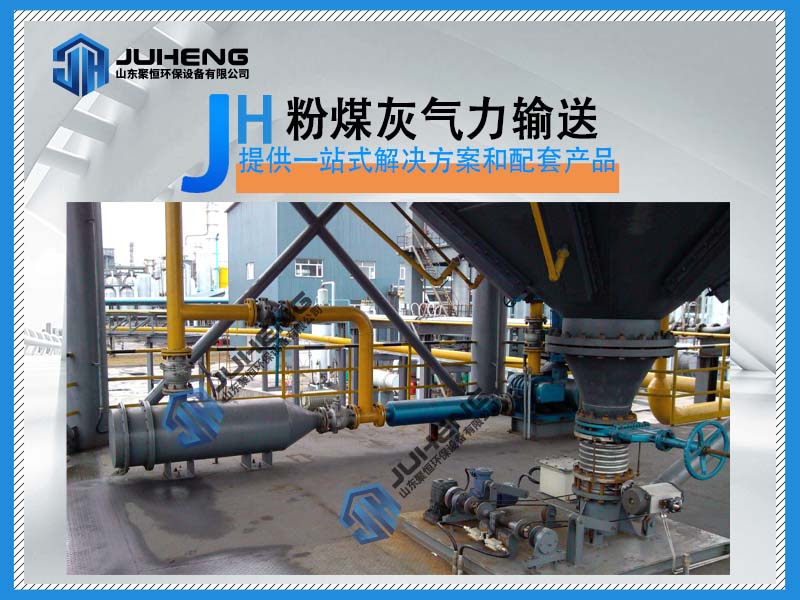
On the other hand, dense phase conveying moves materials at a lower speed in non suspended mode. There are two types of fluids produced by this transportation method:
·In a moving bed flow, materials are transported along the bottom of the pipeline. This type of flow is limited to materials with good air retention properties, such as very fine powdered materials like fly ash, cement, or flour.
·In plug flow, material is transferred in the form of a fully porous plug separated by an air gap. When the material has good permeability, this type of flow is possible. Particle sized materials and seeds are the ideal way for this type of flow.
Types of Pneumatic Conveyors - Positive Pressure Pneumatic Conveyors
Positive pressure dilute phase pneumatic conveyors are typically used to transport bulk materials from one source to one or more destinations, with longer distances and larger capacities than vacuum conveyors. The positive pressure dilute phase pneumatic conveyor utilizes a volumetric blower with single or multiple downstream material inlet points. Each inlet point measures the product into the conveying pipeline through a rotary airlock valve to maintain the pressure difference between the ambient atmosphere and the conveying pipeline. At a single or multiple usage points, materials and air are blown out through pipeline outlets, where they are separated by filter receivers or cyclone separators, or directly sent into process containers and discharged to downstream dust collection equipment. Positive pressure pneumatic conveyors have higher efficiency than vacuum conveyors, can transport longer distances, and can be directly blown into process and storage containers without the need for rotary airlock valves.
Types of Pneumatic Conveyors - Vacuum Pneumatic Conveyors
Vacuum dilute phase pneumatic conveyors are generally used to transport materials from multiple sources such as storage tanks, process equipment, trucks, and rail cars to a single or multiple destinations. Unlike positive pressure pneumatic conveyors, vacuum conveyors allow for easy extraction of materials from open containers using rods without transferring heat to the materials. Due to the excellent leak control provided by vacuum conveyors, they are typically specified based on cleanliness, especially when handling hazardous materials.
Negative pressure is generated by a positive displacement vacuum pump located at the downstream end of the conveyor. Materials typically enter the conveyor through upstream rotary airlock valves, handheld pick-up rods, and non flowing/overflow pick-up adapters, and exit the conveyor through filter receivers or cyclone separators, which separate materials directly from process equipment, inlet hoppers, storage containers, or other discharge points. In addition, vacuum conveying is suitable for direct feeding of mixers, reactors, and other enclosed process containers, which are placed under vacuum at the end of downstream bag houses or other dust collection equipment through a line, eliminating the need for individual filter receivers or cyclone separators above each discharge point.