
Correct switching method for positive pressure dilute phase pneumatic conveying
In pneumatic conveying systems, many customers may encounter situations where they do not know the sequence of equipment switches during operation and use. Today, we will first introduce the switching sequence of positive pressure dilute phase conveying systems.
Firstly, we need to understand what equipment is equipped in the positive pressure dilute phase pneumatic conveying system. Let's talk about commonly used equipment such as Roots blower, wear-resistant rotary feeder, and top dust collector.
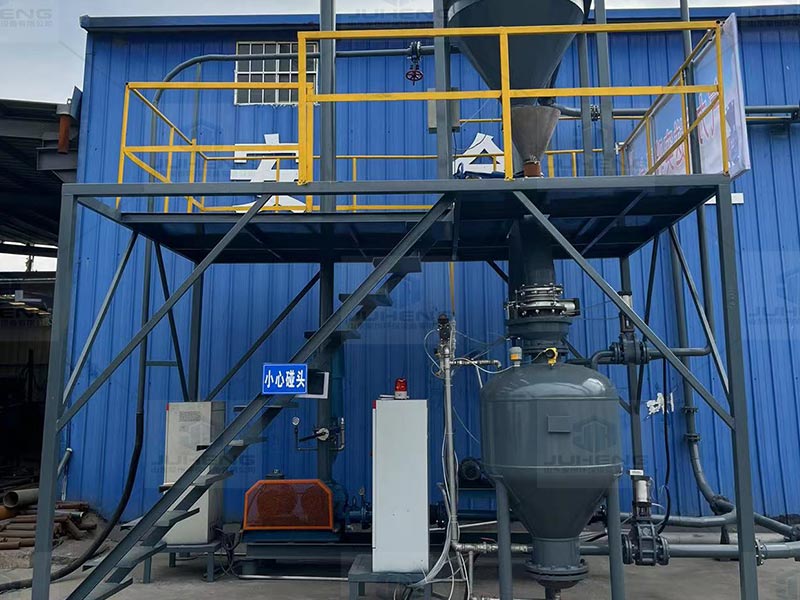
Firstly, we need to turn on the induced draft fan and pulse system of the Roots blower and the top dust collector in order to clean the materials inside the pipeline and prevent new materials from entering and blocking the pipeline.
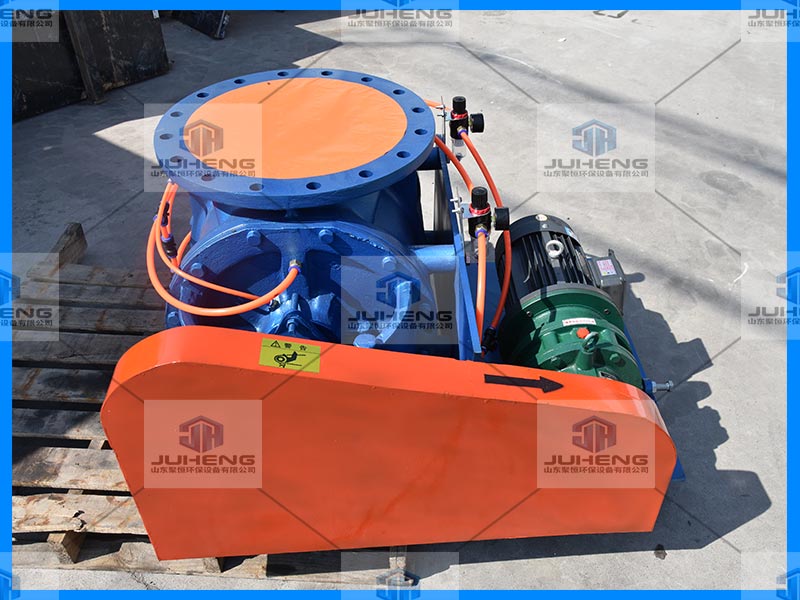
Open the rotary feeder after a 20 second interval to enter the formal conveying process,.
The above controls can be remotely controlled through PLC or operated locally to switch on and off the equipment.
In addition to the correct startup method, shutting down is also crucial.
The rotary feeder is the core equipment in the pneumatic conveying system and the heart of the entire system. Here, we will talk about the shutdown of this equipment and its supporting devices, which is equivalent to the shutdown of the system.
As a system composed of multiple clock devices, there is naturally a certain order of shutdown. Only by following this order of shutdown can we ensure that the system devices are not damaged.
When performing a shutdown operation, the first step is to close the gate valve (depending on the characteristics of the material, some materials may not need to close the valve for a short period of time), and then close the rotary feeder. At this time, it is necessary to wait for a few minutes,
When all the materials in the pipeline have been transported, turn off the Roots blower equipment. It is worth noting that it is absolutely forbidden to turn off the Roots blower when its pressure is above 0.02 Mpa,
Of course, if it's an emergency, you don't need to consider this. Finally, turn off the dust collector. Complete the shutdown operation of the entire system.
If you want to learn more, you can call us anytime for consultation