
What are the techniques for installing elbows in pneumatic conveying
In pneumatic conveying systems, elbow installation techniques include: selecting long radius and wear-resistant material elbows, reducing the number of elbows, avoiding sharp turns, installing guide plates, adjusting airflow speed, regularly inspecting and cleaning pipelines, using air knives and multi-stage elbows, optimizing elbow position and angle. These methods can reduce wear and blockage, and improve system efficiency.
In pneumatic conveying systems, the installation of elbows requires careful design and execution to reduce the risk of wear, resistance, and material blockage. Here are some installation tips:
1. Choose the appropriate type of elbow
· long radius elbowUse long radius elbows (usually with a bending radius equal to the diameter of the pipeline)1.5to3It can reduce the friction and wear between the material and the inner wall of the elbow.
· Wear resistant elbowChoose elbows lined with wear-resistant materials such as ceramics and polyurethane to extend their service life.
2. Optimization of installation angle
· Minimize the number of bends as much as possibleWhen designing pipeline paths, try to minimize the number of bends and prioritize using straight pipe sections.
· Avoid sharp turnsSharp turns can increase the impact force of materials, increasing the risk of wear and blockage.
3. Uniform distribution of pressure and flow velocity
· Use deflectors or vanesInstalling a guide plate inside the elbow can guide materials to pass smoothly, reducing impact and wear.
· Adjust the airflow speedEnsure that the airflow velocity is moderate and avoid excessive flow velocity causing wear or low flow velocity causing blockage.
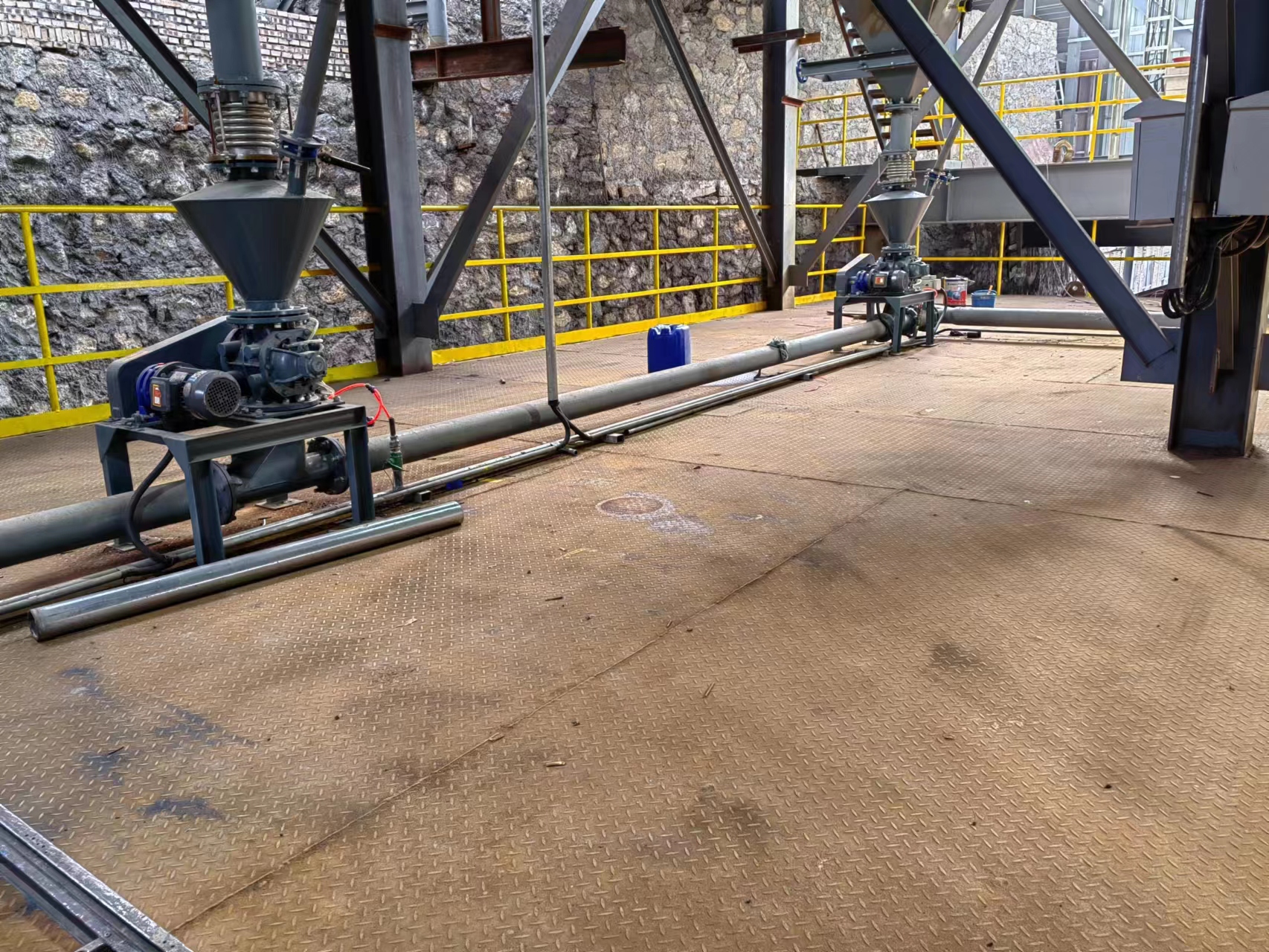
4. Regular maintenance and inspection
· Regularly check for wear and tearEspecially in high wear areas, replace damaged elbows in a timely manner.
· Clean the pipelineRegularly clean the accumulated materials in the pipeline to prevent blockage.
5. Adopt specially designed elbows
· Air knife elbowInstall an air knife at the elbow to reduce the residence time and friction of materials inside the elbow using airflow.
· Multi segment bendUsing multiple bends to disperse the impact force of materials and reduce wear.
6. Optimization of installation location
· Installation near the straight pipe sectionInstall a sufficiently long straight pipe section before and after the elbow to stabilize the airflow and material flow.
· Avoid vertical bendsTry to minimize vertical bends and use angled bends to reduce the impact force of material falling.
Through these techniques, it is possible to effectively reduce the wear and blockage of elbows in pneumatic conveying systems, and improve the operational efficiency and service life of the system.