Pneumatic dome valve
Features:
- Unique inflatable seal, zero friction opening and closing
- Anti erosion and wear-resistant, smooth flow channel
- Pneumatic drive, quick and stable opening and closing
- Compact structure, easy maintenance
- Strong adaptability to working conditions and wide range
- Automation friendly, high security
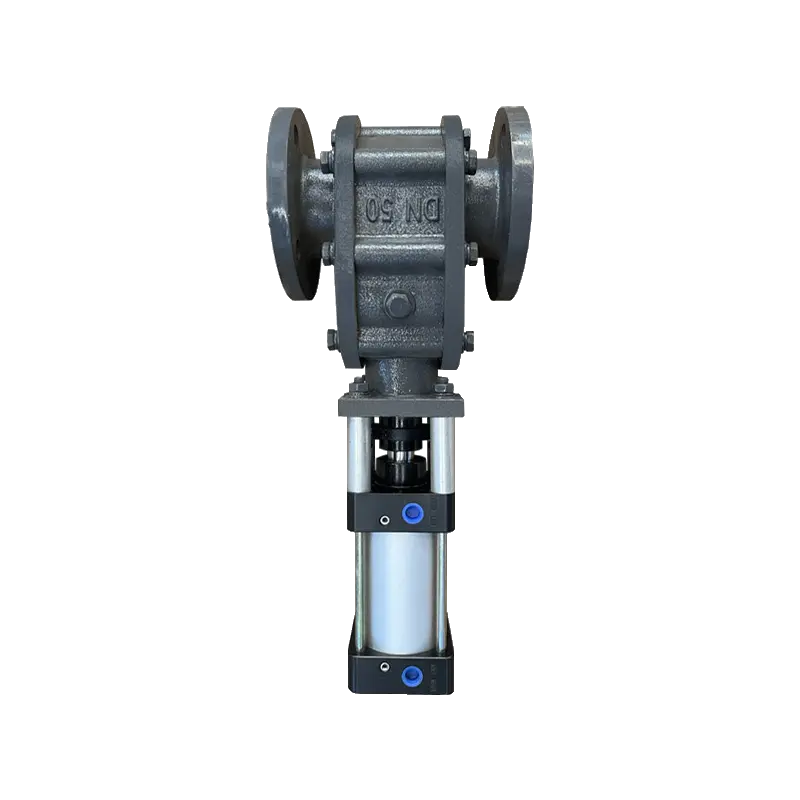
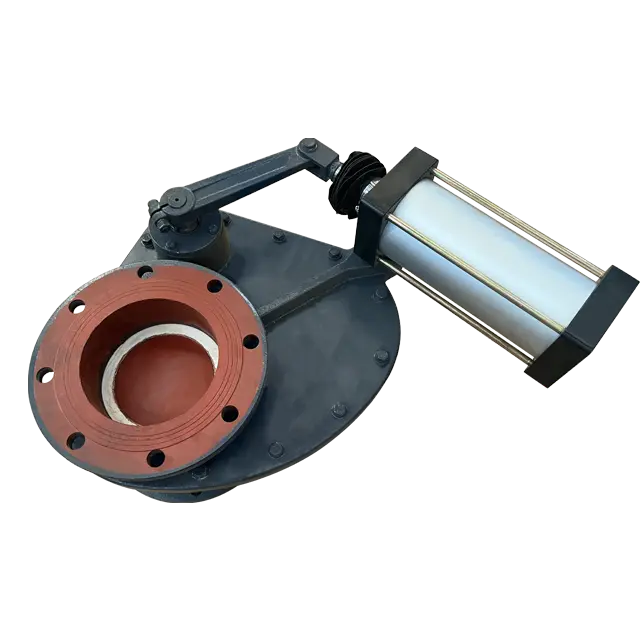
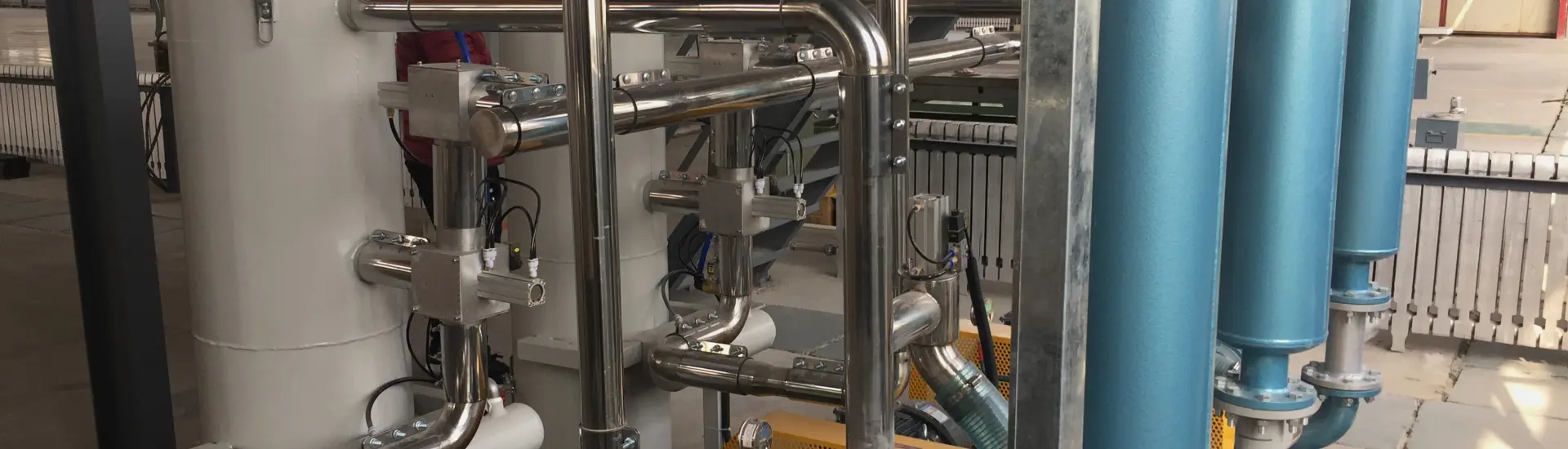
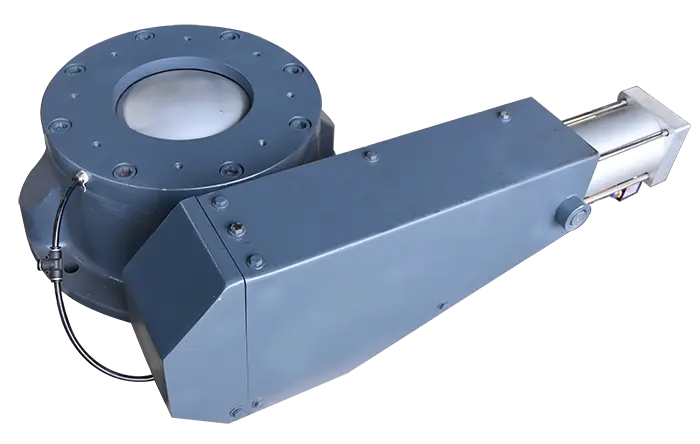
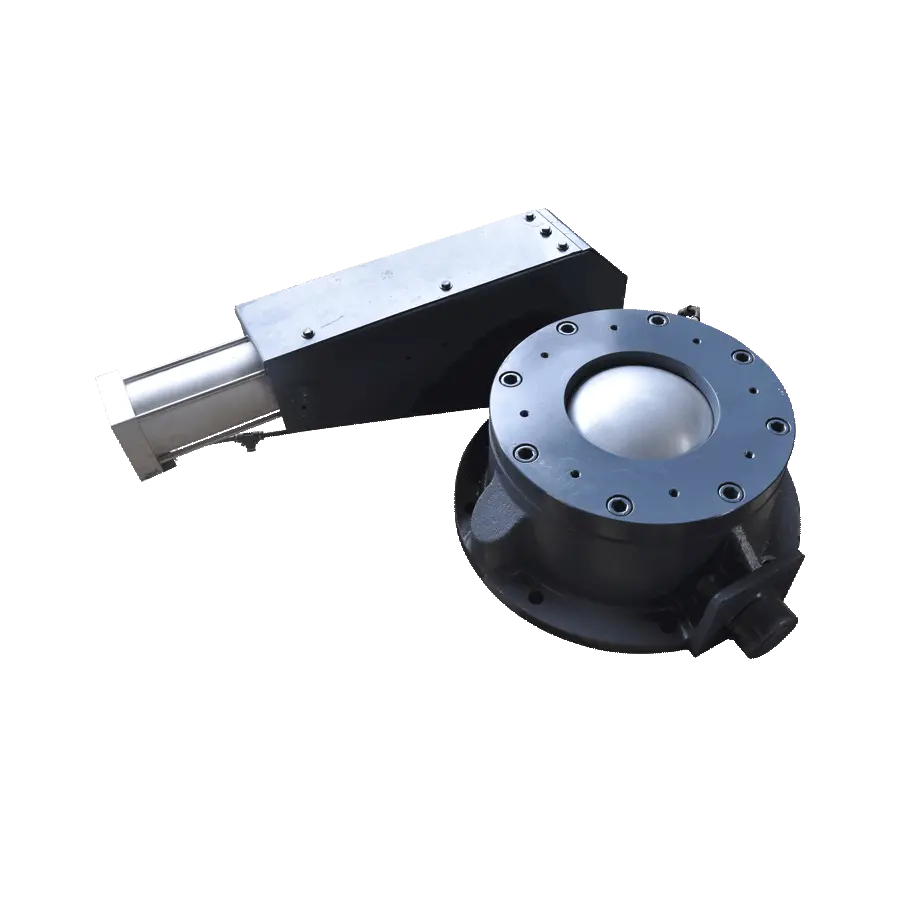
Pneumatic dome valve is a high-performance shut-off valve designed specifically for pneumatic conveying systems of powder and granular materials. It is widely used in industries such as power, metallurgy, building materials, and chemical engineering, and is a key equipment in conveying systems for materials such as fly ash, cement, and mineral powder. The product adopts a spherical valve core and an inflatable sealing structure, fundamentally solving the problems of traditional valves such as easy wear, material jamming, and poor sealing. It has the advantages of stable operation, long service life, and easy maintenance.
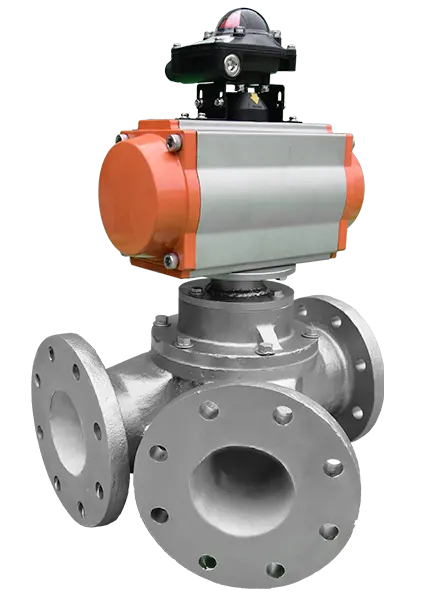
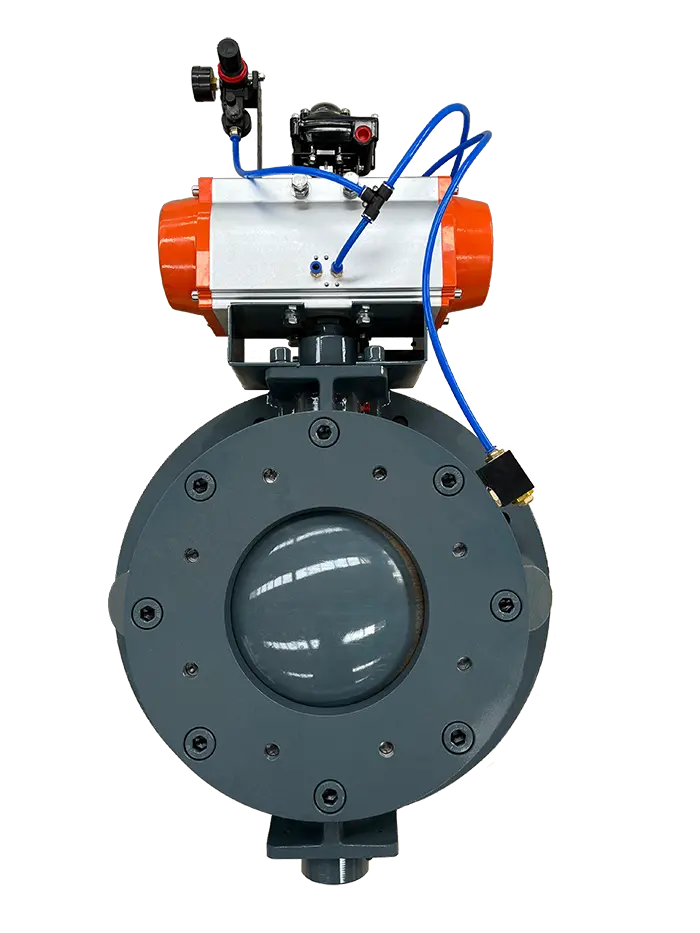
The valve is driven by pneumatic means, and the valve core is rotated by the actuator to achieve opening and closing. Inflate and expand the sealing ring before closing, tightly adhere to the spherical surface, and achieve zero leakage sealing; Before opening, the sealing ring first exhausts and releases pressure. The valve core and sealing element rotate without contact, with no friction or scratching throughout the process, greatly reducing wear and significantly extending the service life of the sealing ring and valve body. The valve flow channel is smooth and straight, with low medium flow resistance and low pressure loss, and can adapt to various conveying conditions such as positive pressure, negative pressure, dilute phase, dense phase, etc.
The valve body structure is compact and sturdy, and the valve core is made of wear-resistant alloy or ceramic material, which is resistant to erosion and wear, and can work stably in high dust and high temperature environments for a long time. The supporting pneumatic actuator operates quickly and has sufficient torque. When combined with limit switches, solenoid valves, and other components, it can be easily connected to the automation control system to achieve remote control and interlock protection, ensuring safe and reliable operation.
The installation method of pneumatic dome valves is flexible, often using flange connections for convenient on-site construction. Daily maintenance is simple, with few vulnerable parts. Regular inspection of seals and gas source status is sufficient to ensure long-term stable operation, effectively reducing equipment downtime frequency and maintenance costs.
With excellent sealing performance, wear resistance, and automation adaptability, pneumatic dome valves have become the preferred cut-off valves for pneumatic conveying systems, providing stable, efficient, and safe control guarantees for various powder conveying processes. They are reliable core supporting equipment in industrial automation conveying systems.
This equipment is designed for the conveying characteristics of powder materials. The valve body has a smooth inner cavity without dead corners, and the material flow is smooth. It is not prone to sticking or blocking problems, and is suitable for various characteristics of powder and granular materials. The overall structure of the equipment is stable, and the key components are made of wear-resistant and wear-resistant materials, which can adapt to the complex working conditions of industrial sites. There is no obvious impact during operation, and the working state is stable and reliable.
In addition, the installation method of the pneumatic double gate valve is flexible and can be adapted to different connection forms according to the on-site process layout. It also has fewer vulnerable parts, and daily maintenance only requires regular inspection of the sealing components and pneumatic actuator. Disassembly and replacement are easy to operate, which can effectively reduce operation and maintenance costs. It can also be linked with the automation control system to achieve intelligent and precise control of material transportation, adapting to the efficient production needs of modern industry.